Luxor
Luxor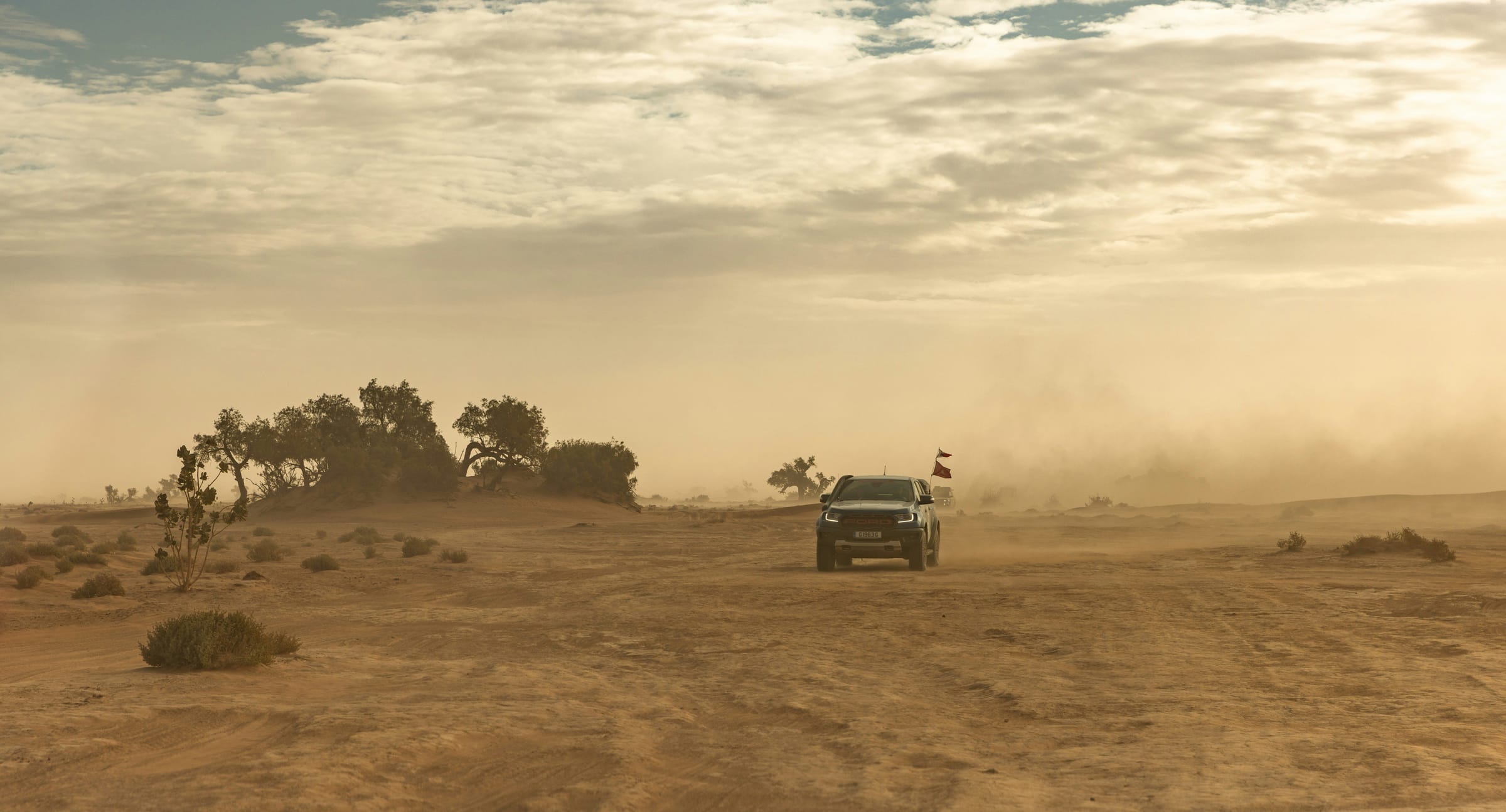

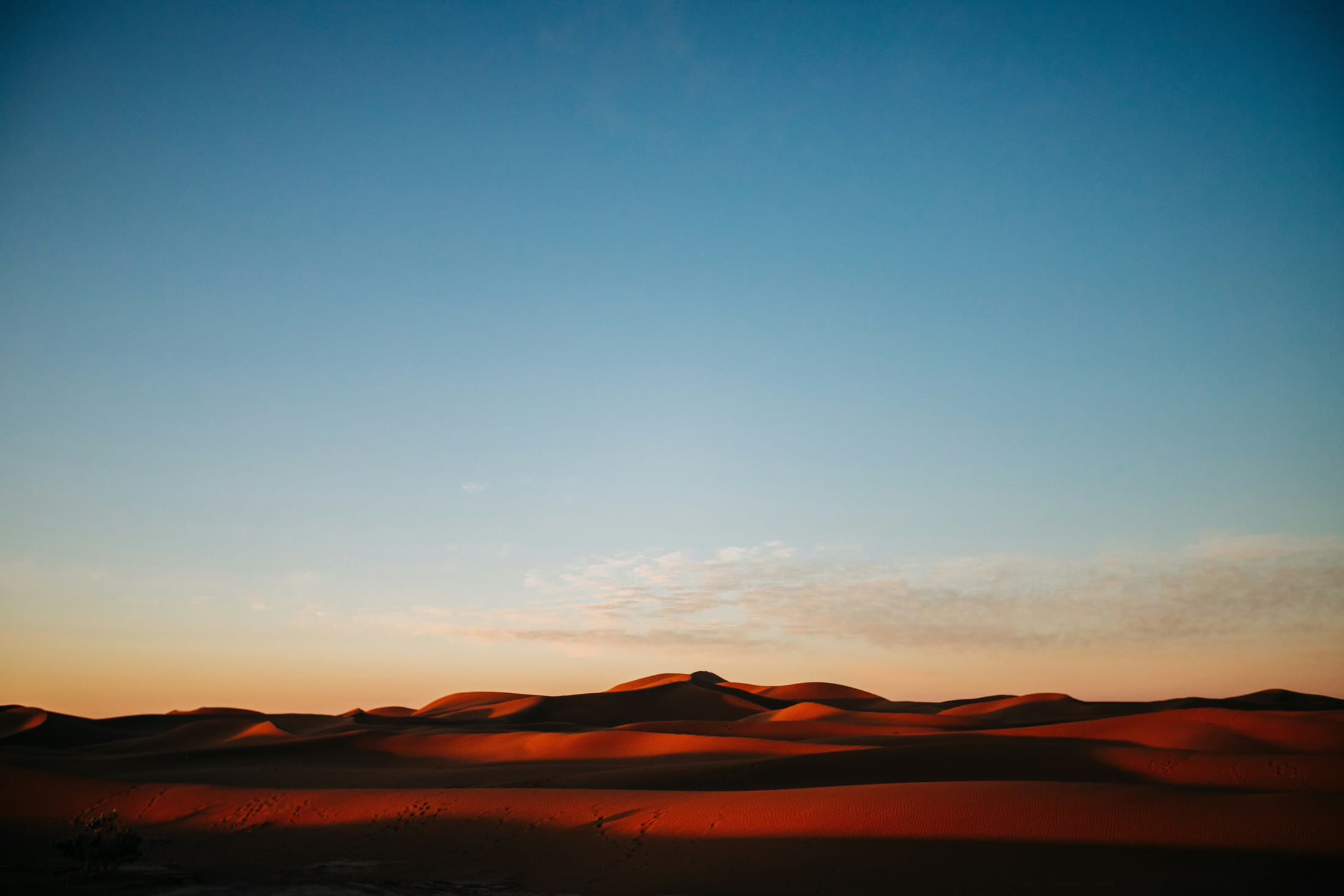

Everything Egypt is loud about, the desert is quiet about.
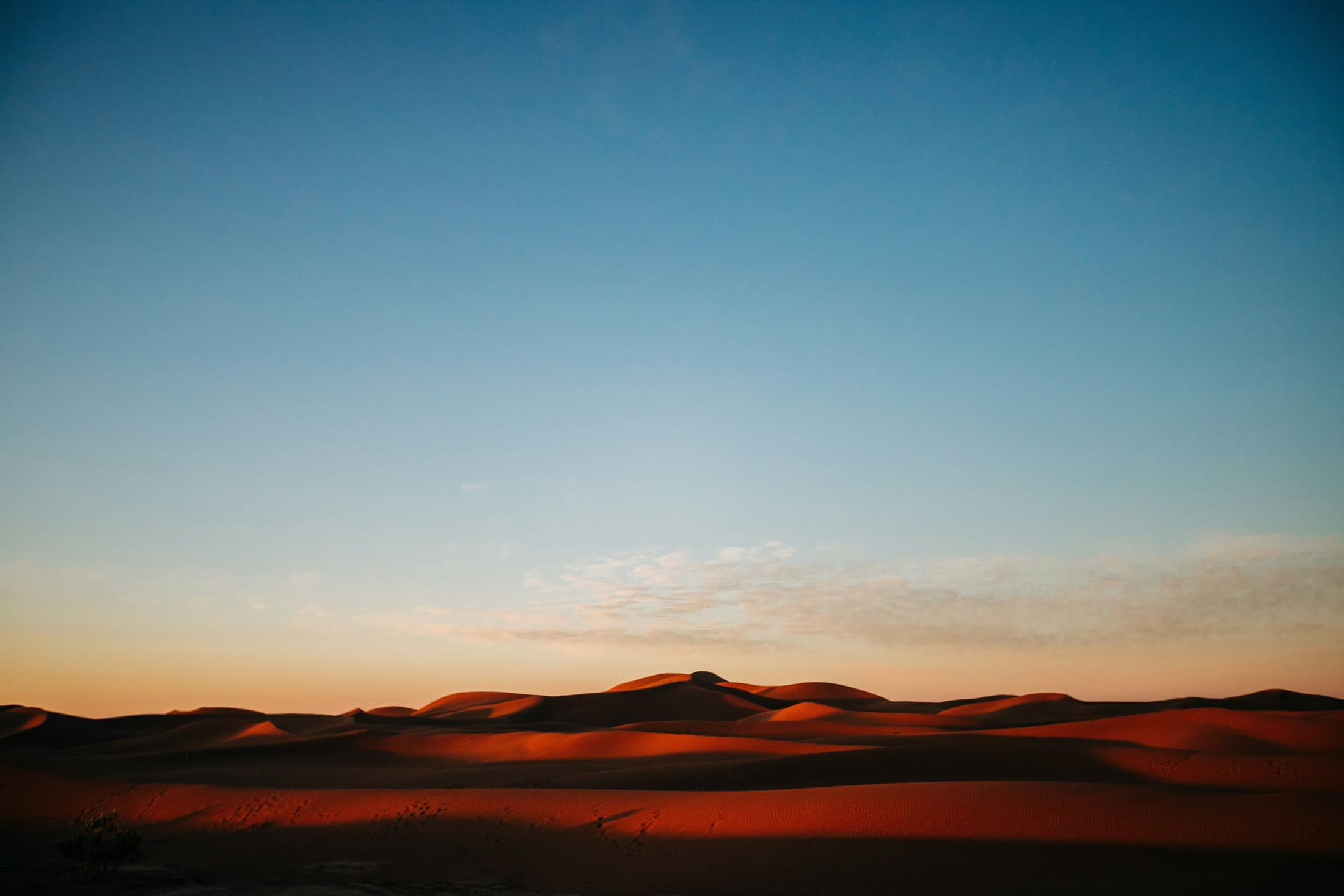
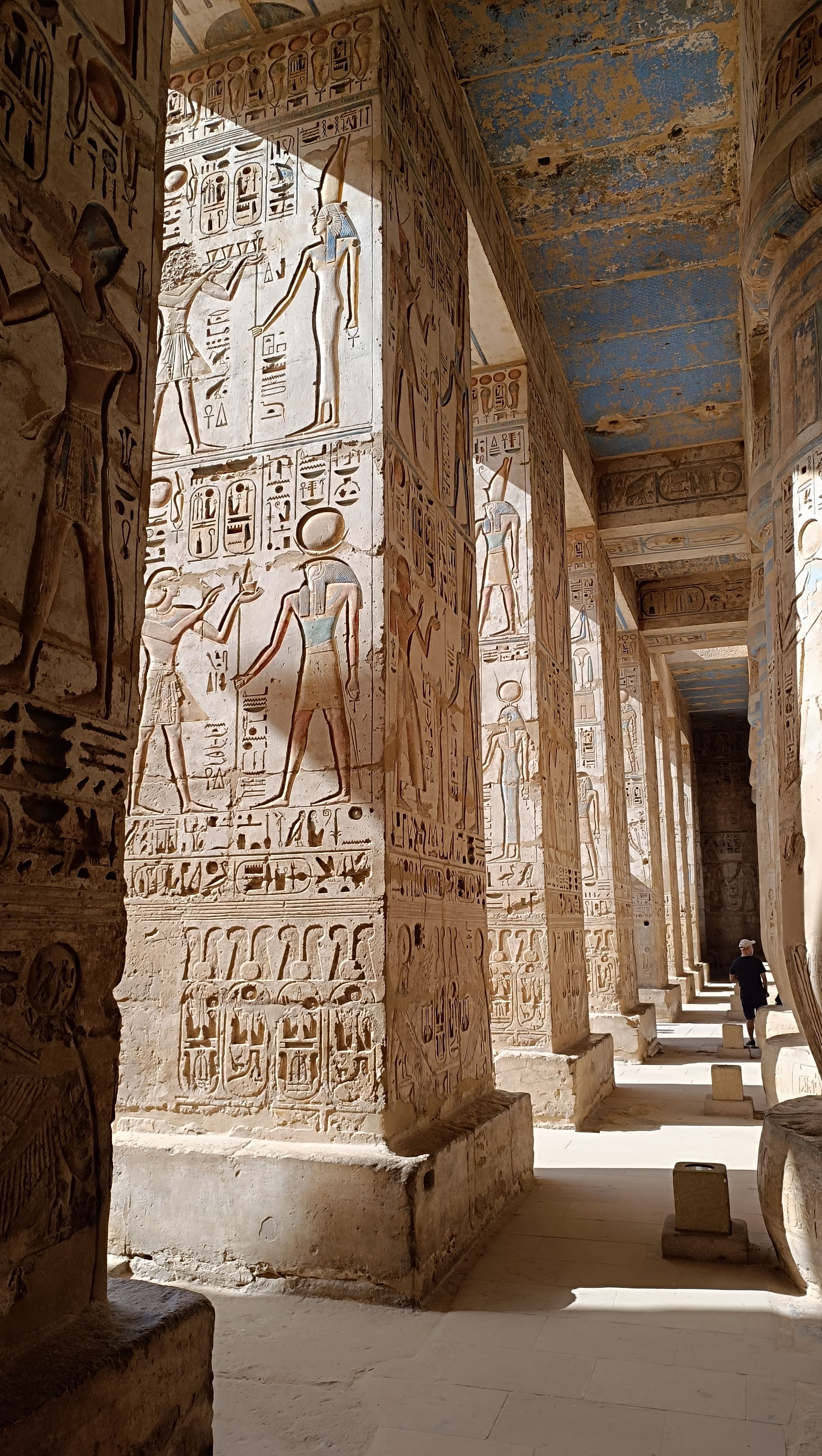
The monuments shout. Three thousand years of pharaohs each trying to be remembered louder than the last, a river full of boats, a town full of horns. And then you drive twenty minutes past the last streetlight, the engine stops, and the silence arrives all at once — a silence so complete it has a texture. This is the other half of Egypt, and almost nobody on a package holiday ever finds it.
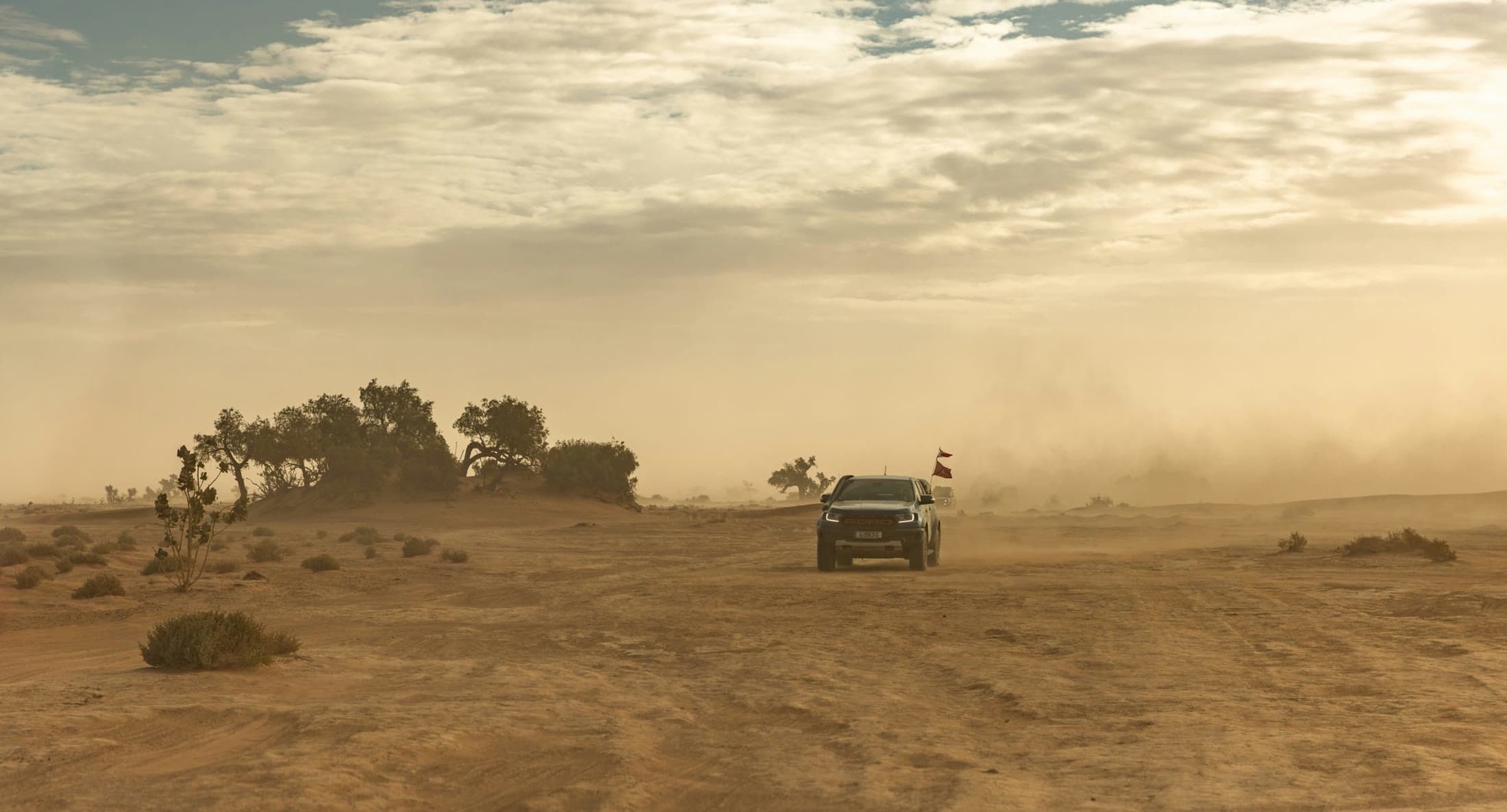
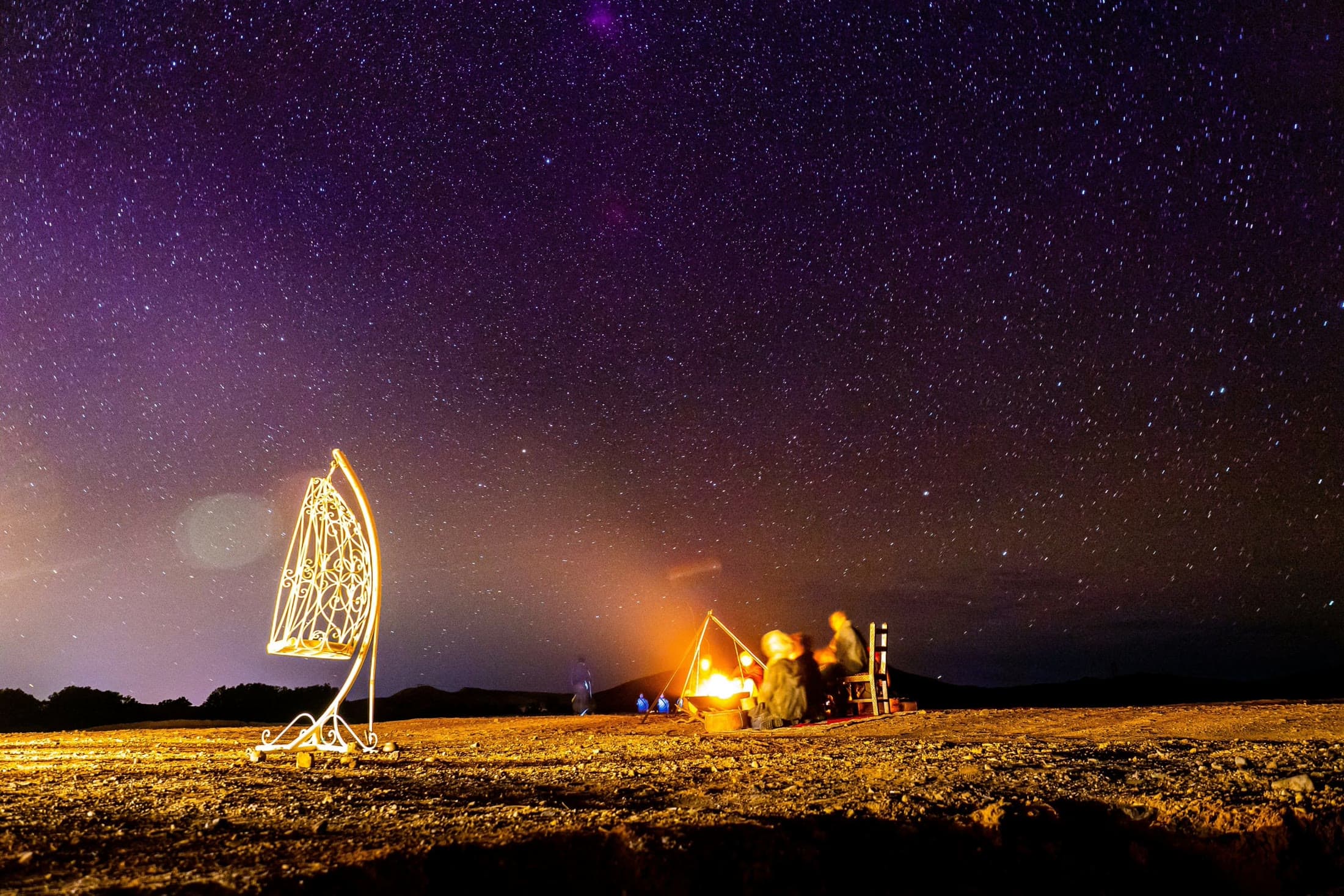
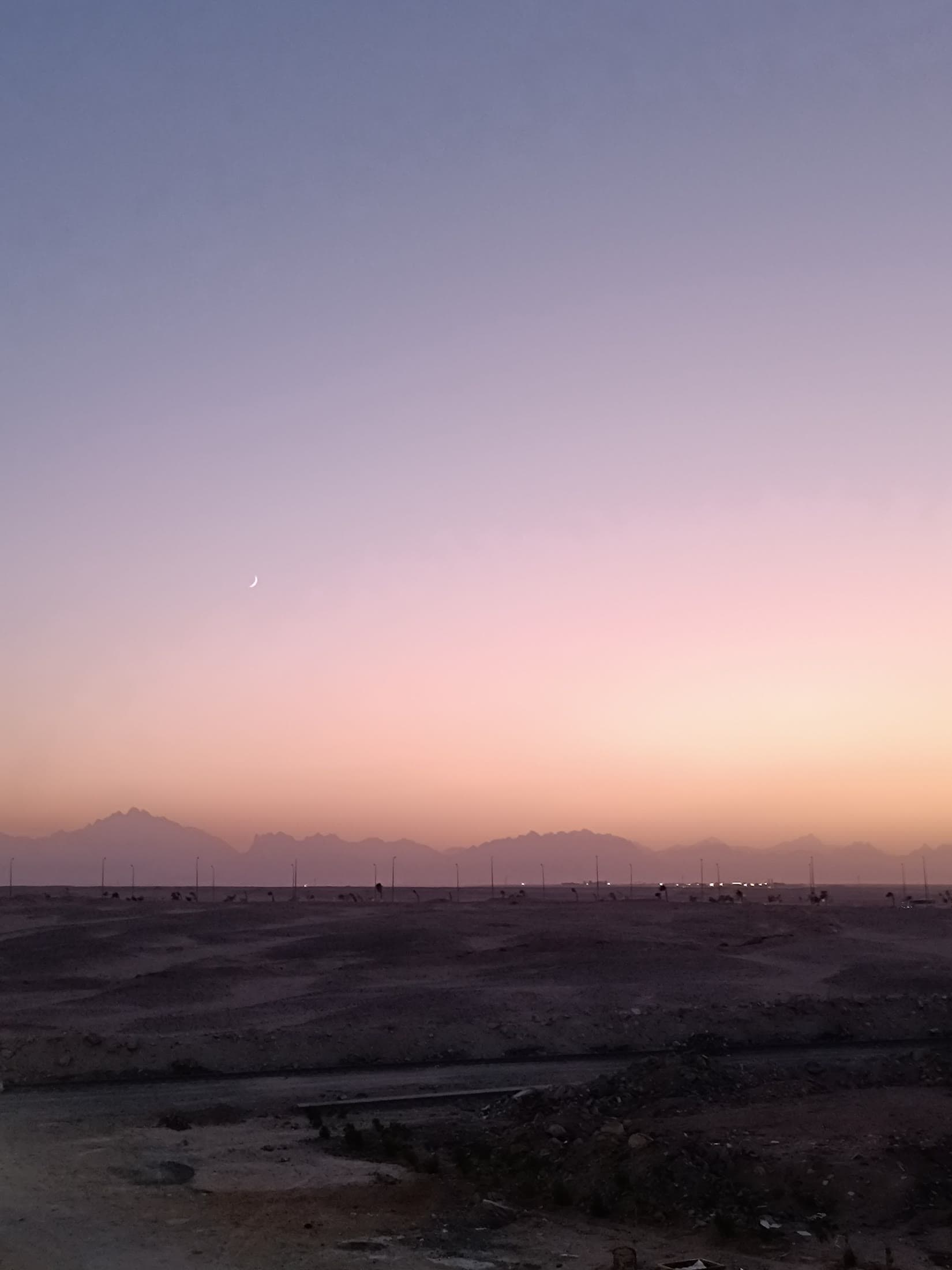
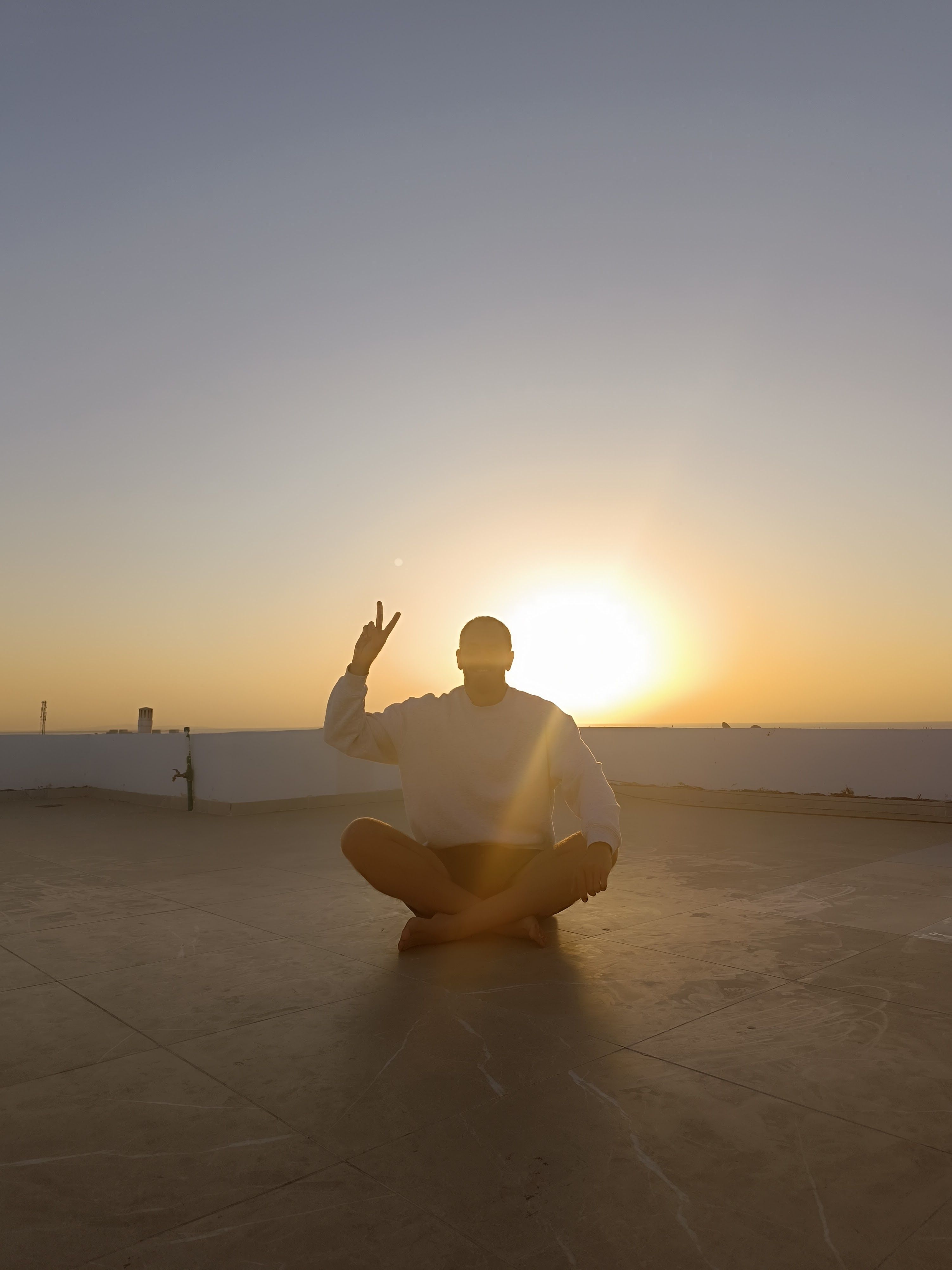
We take you there privately, at the hour it stops being hot, and we bring the fire.
A table in the sand, not a tourist convoy
There is a version of this sold on every corner: forty quad bikes in a line, a scripted "Bedouin village," a buffet for two hundred, back on the bus by nine. It is not this.
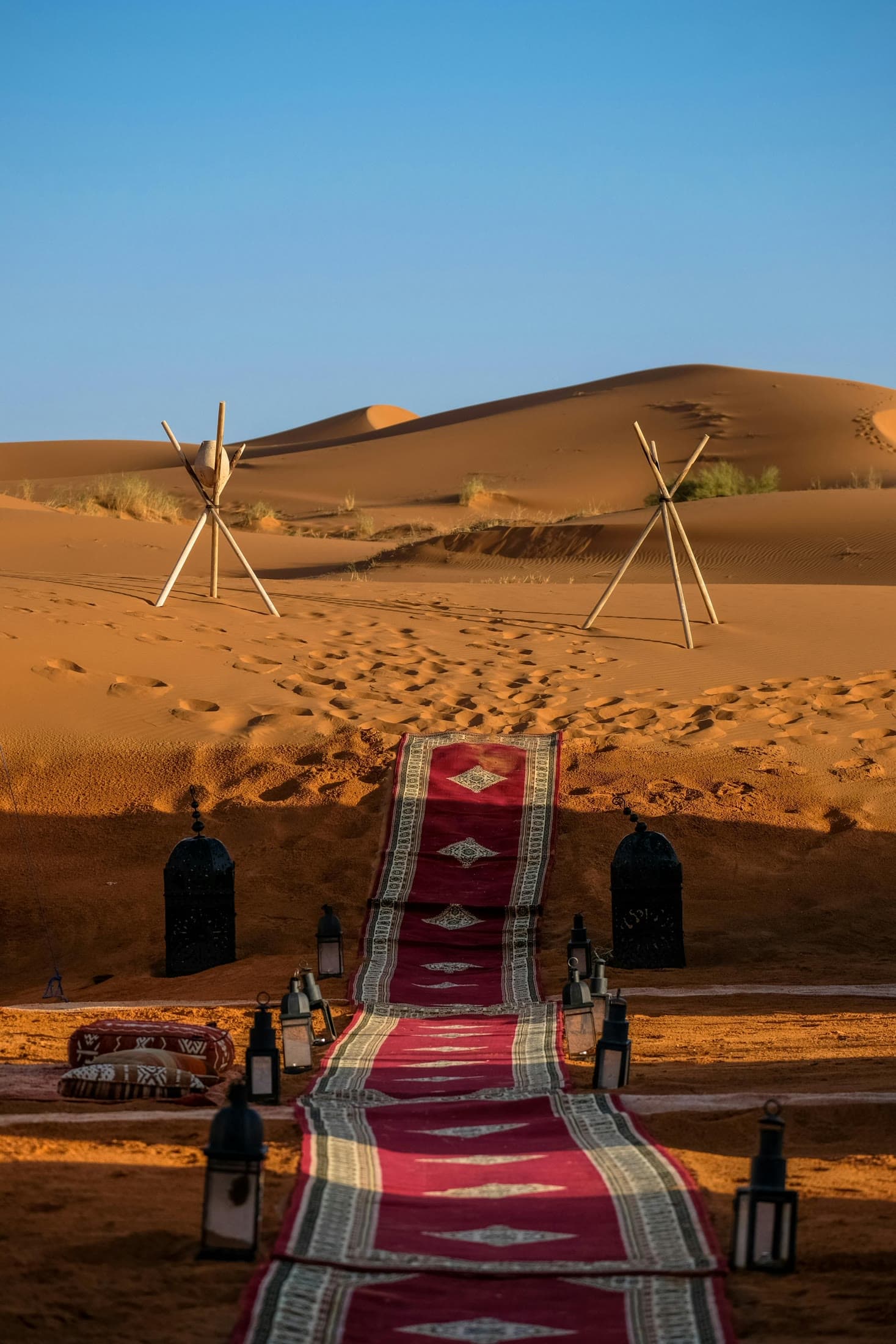
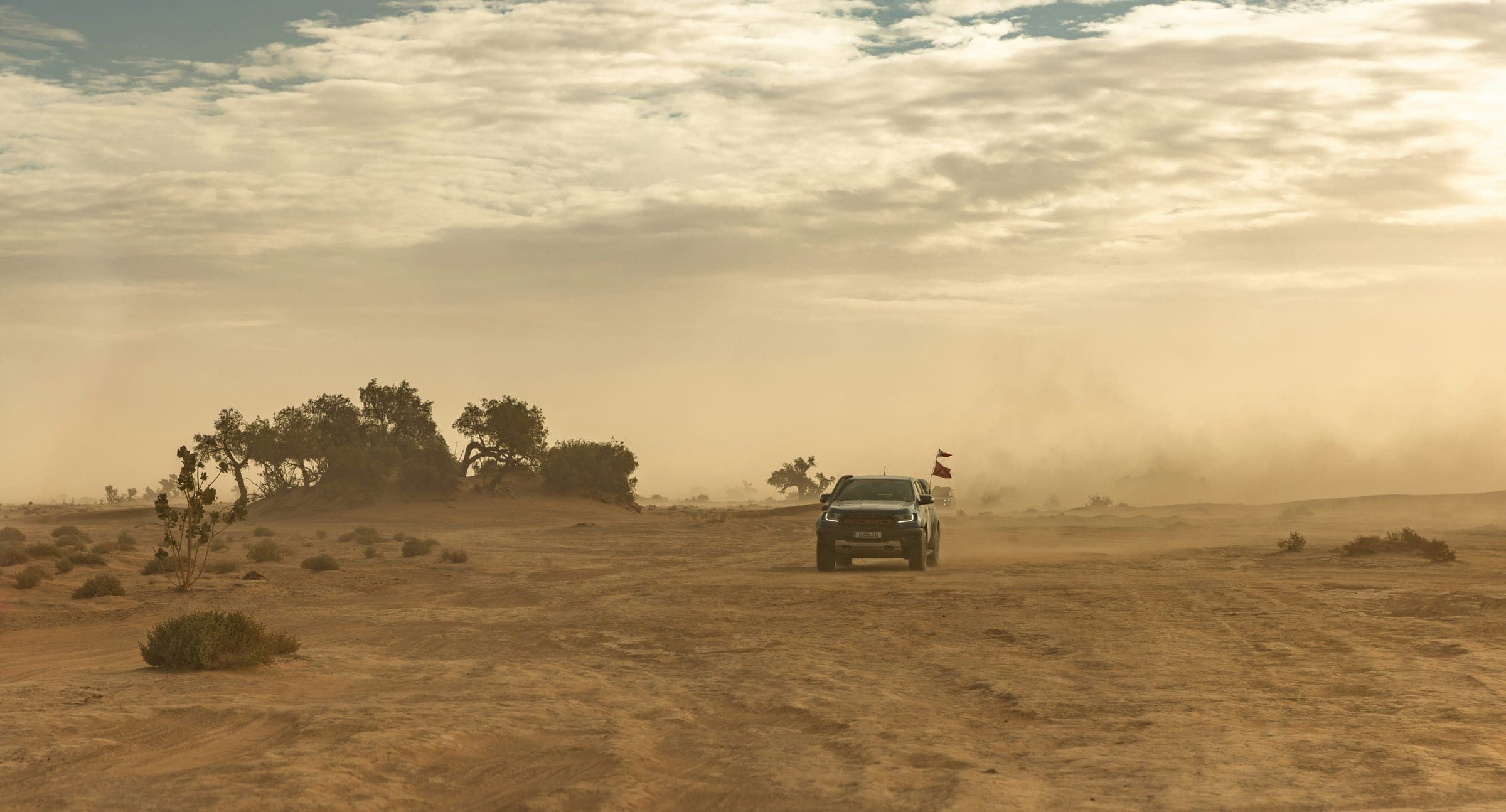
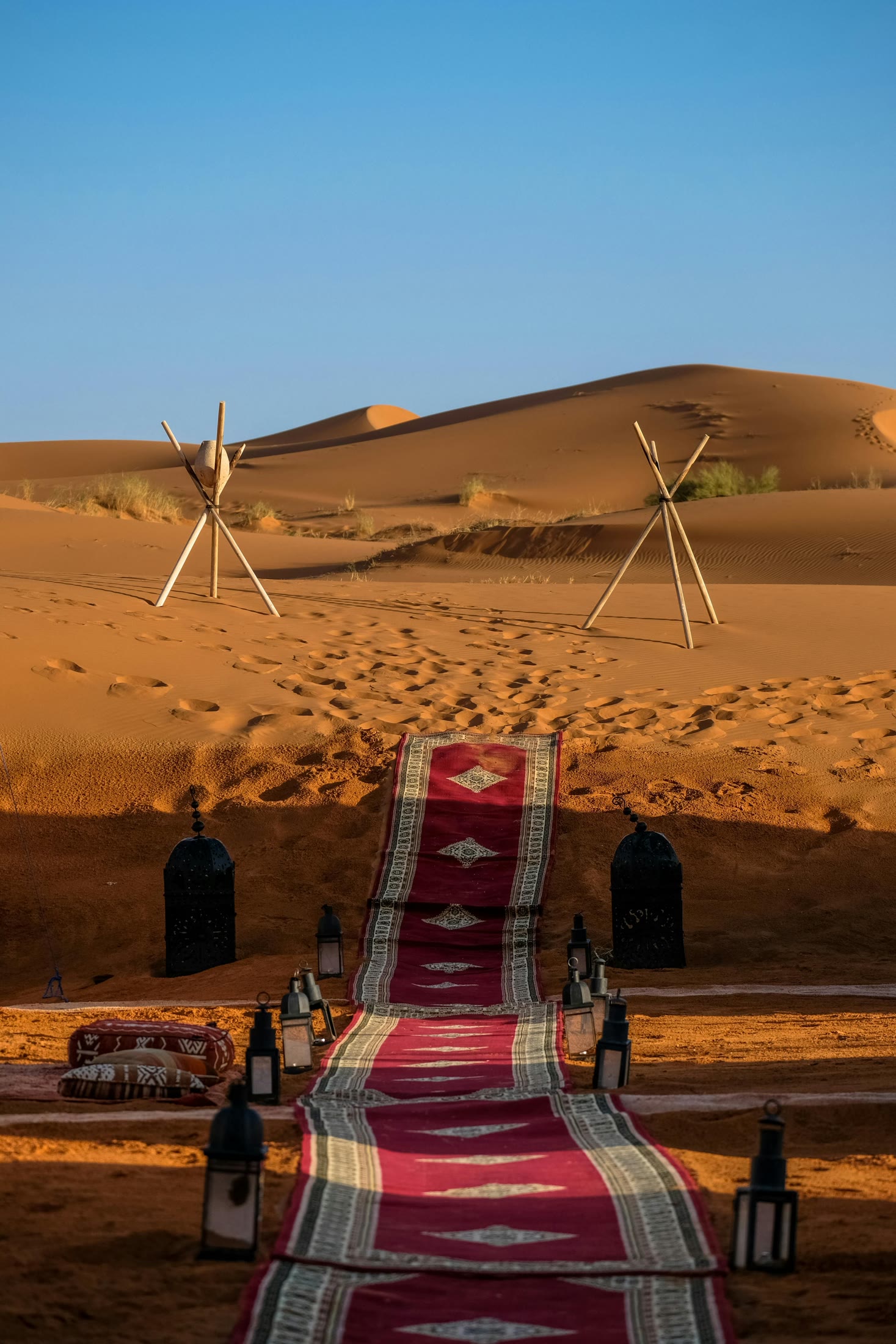
This is your own vehicle, your own host, and a fire lit for your group alone as the sun drops — a proper meal set out on cushions in the sand, cooked the way it's actually cooked here, by someone who belongs to this landscape rather than performing it for you. No convoy. No schedule but the sky's. Just the dunes going dark around a small circle of warmth.
The desert doesn't perform. It just waits, enormous and patient, for you to go quiet enough to notice it.
The oldest ceiling there is
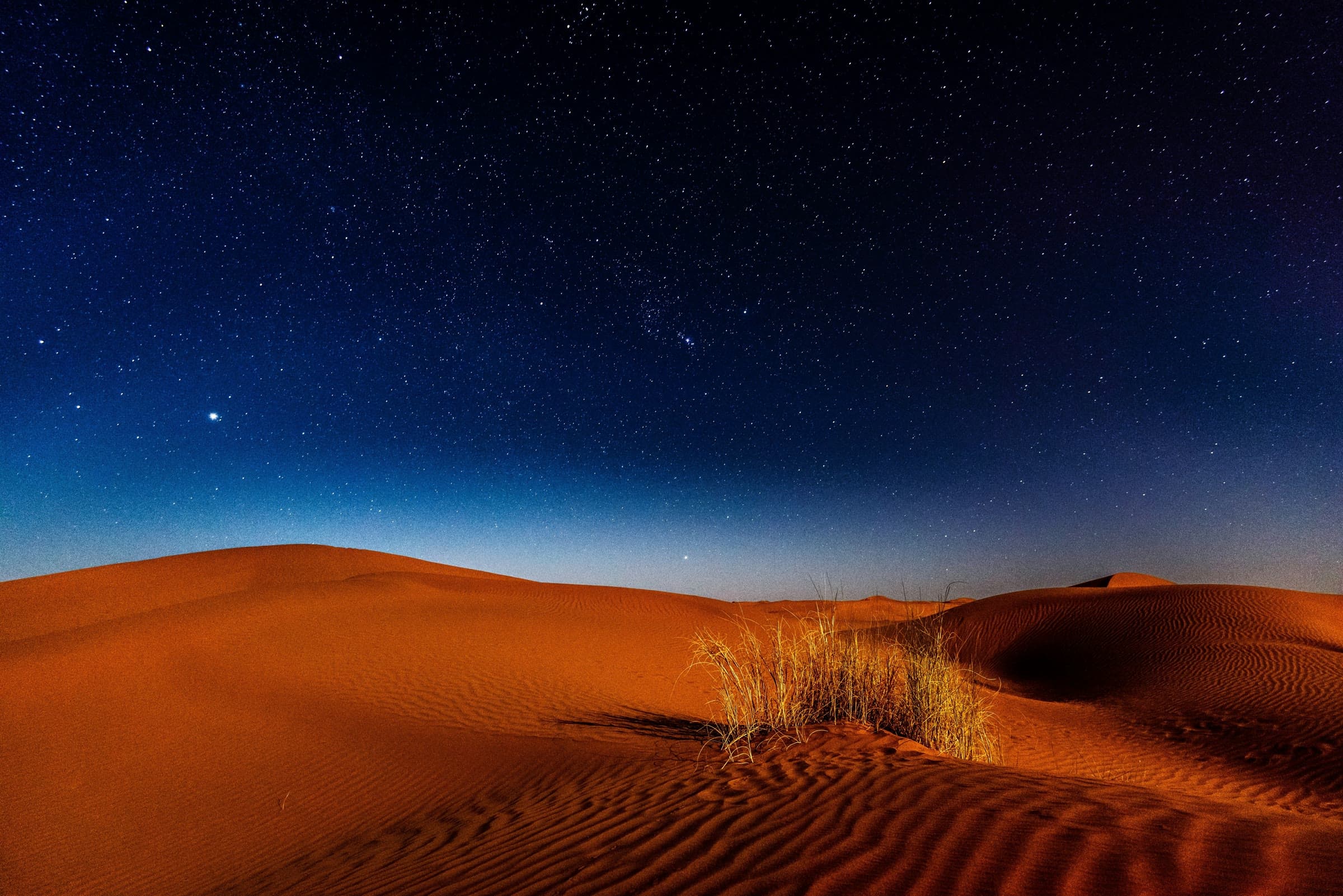
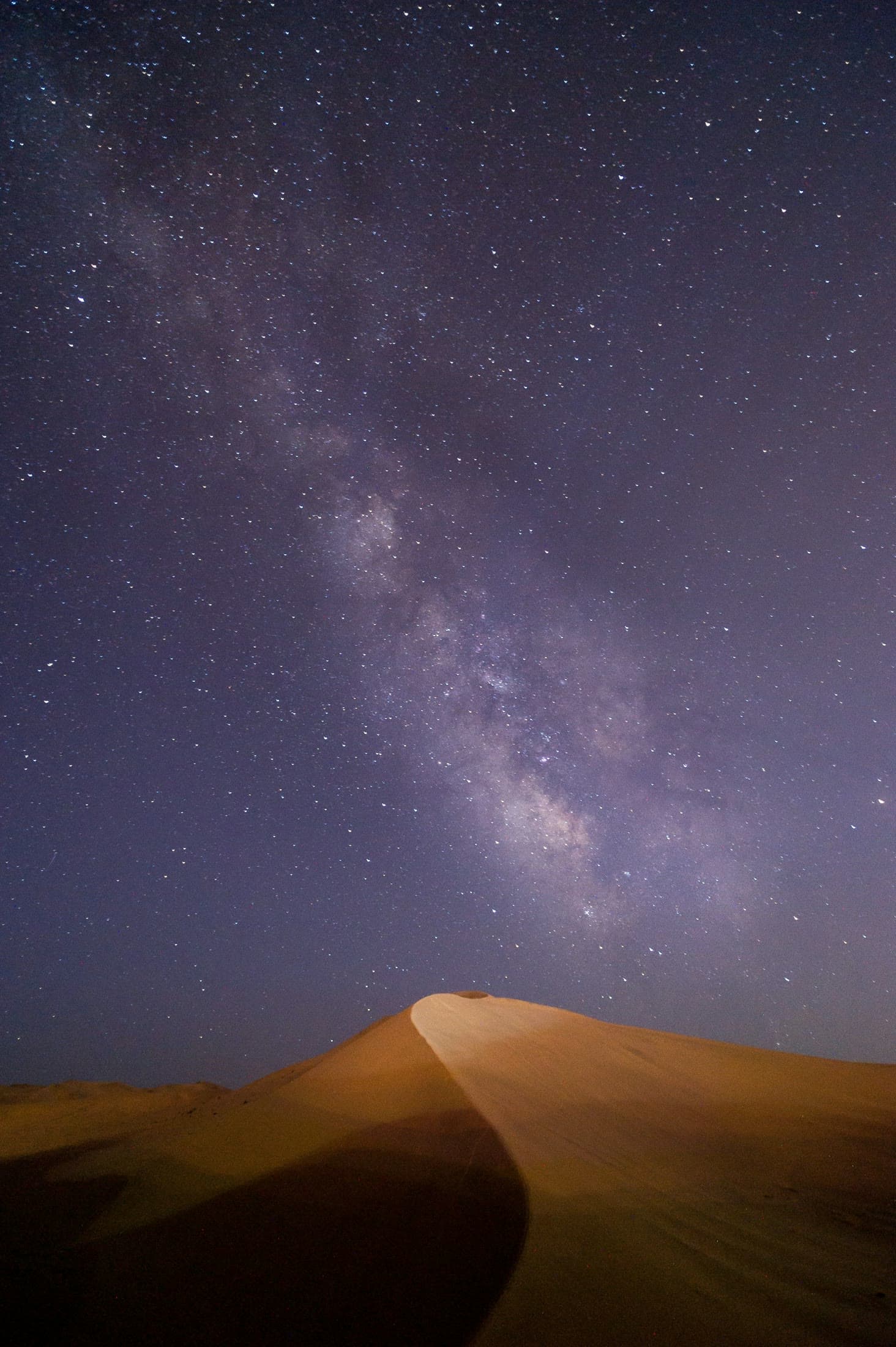
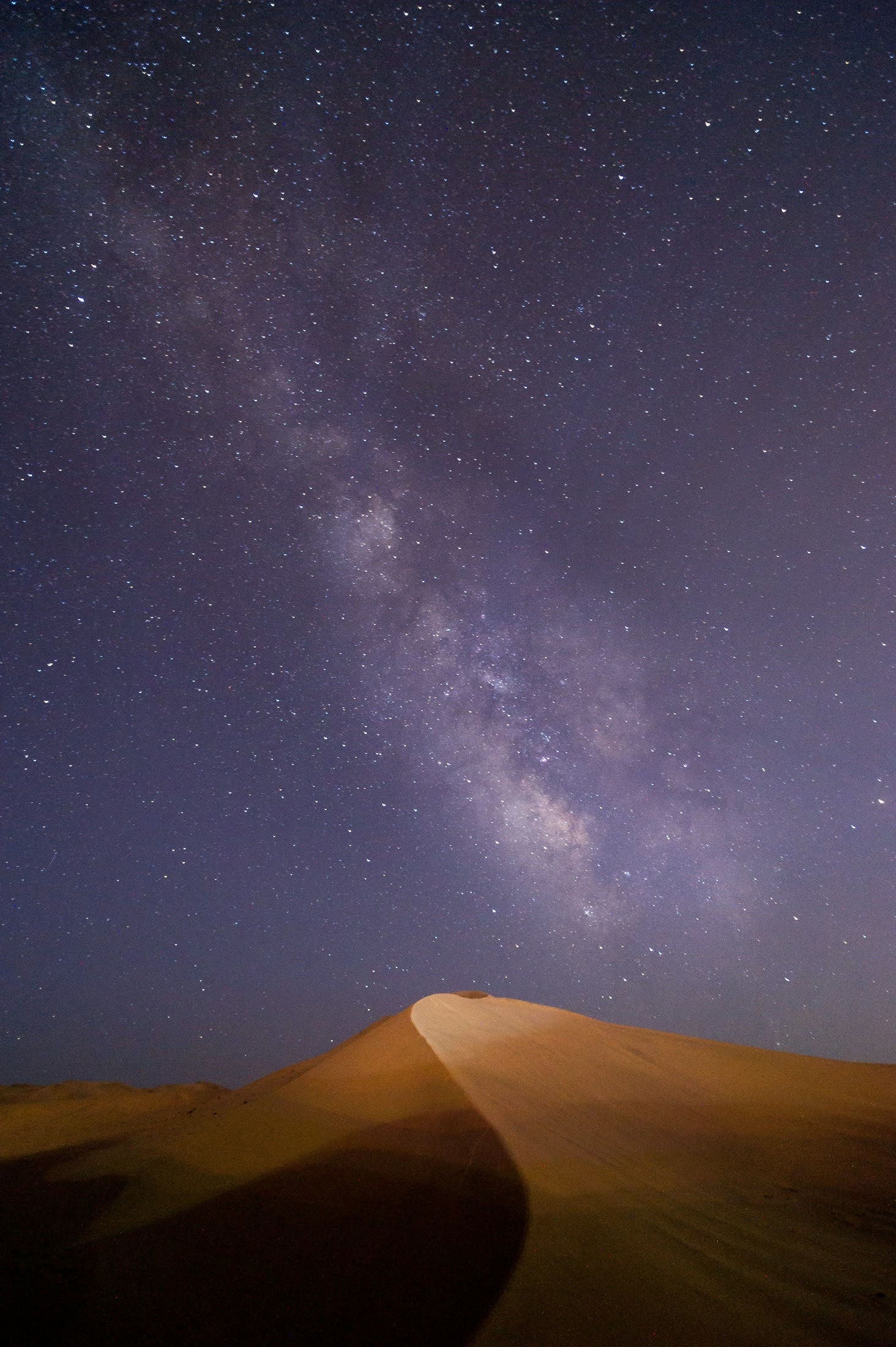
Then the lanterns go down, and the desert does the thing it has always done. Away from every light, the sky fills — not a scatter of stars but a wash of them, the Milky Way a plain bright band across the middle of it, more than most people have seen in their whole lives put together.
It is worth understanding, sitting under it, that this is the sky every ancient Egyptian saw every night — the same stars they built into their gods, their calendars, their tombs. For one evening you get to see what they saw, in the silence they heard, with dinner in front of you and nothing at all you have to do. Bring a warm layer, look up, and stay a while.