Luxor
Luxor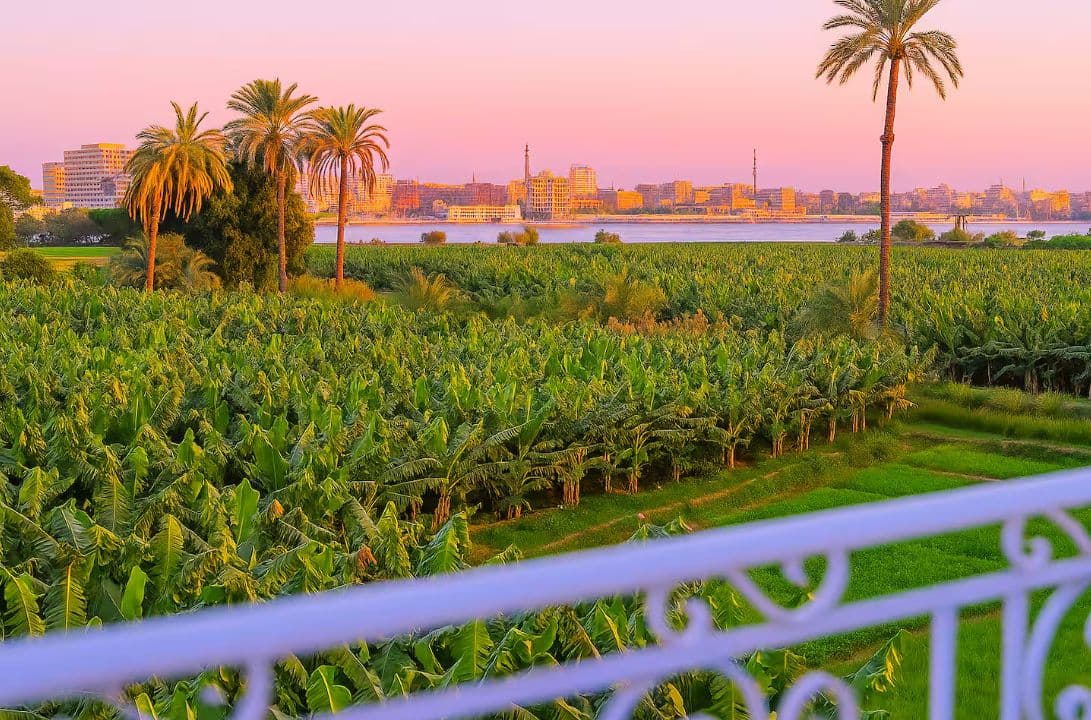
The Egypt that's about life, not death.
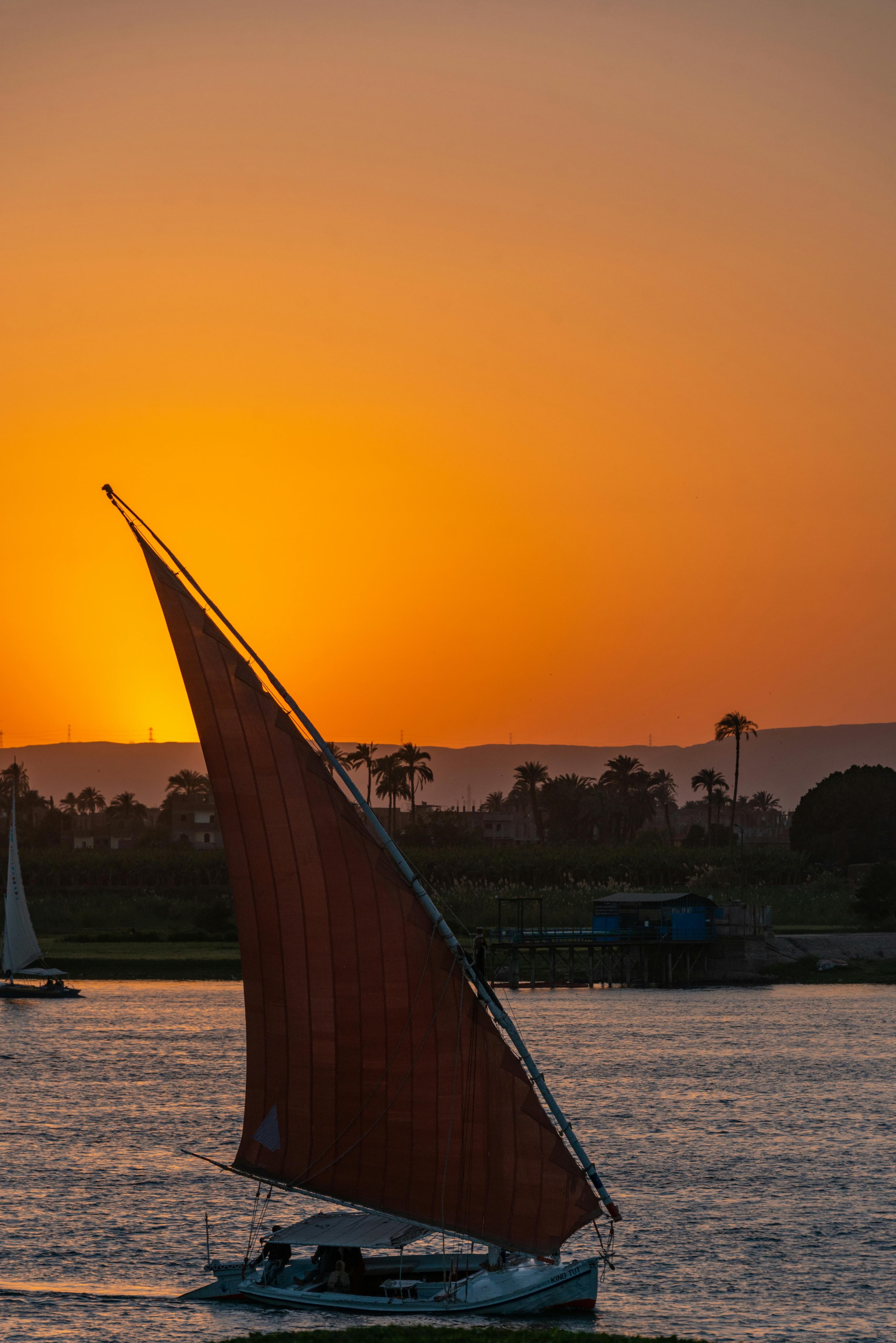
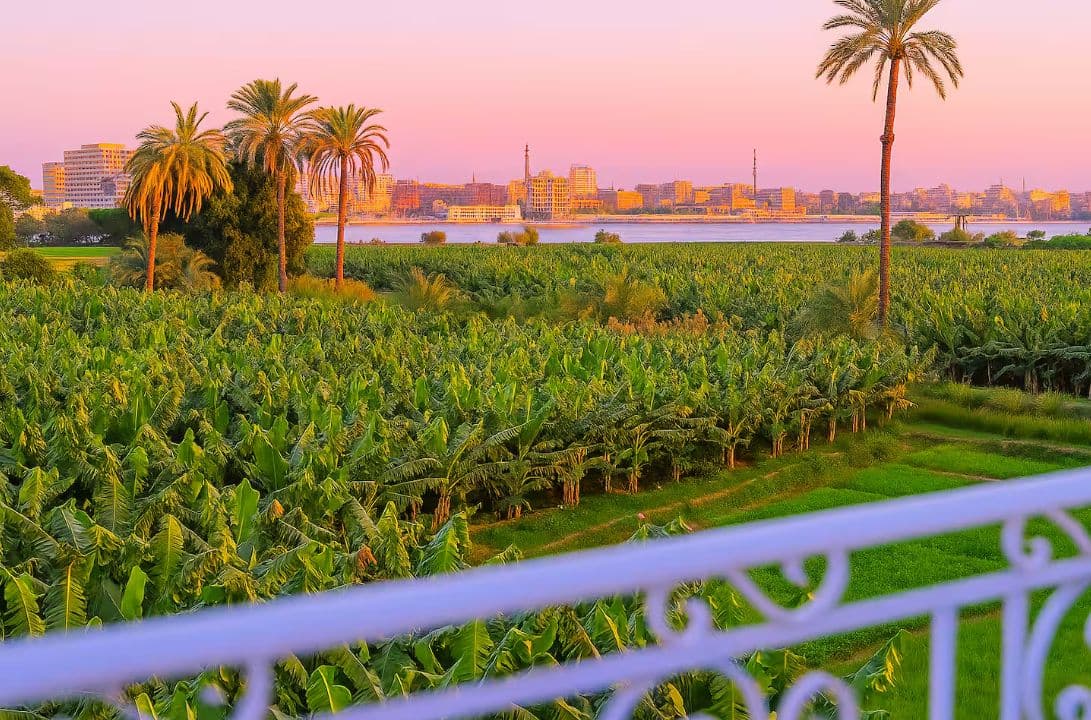
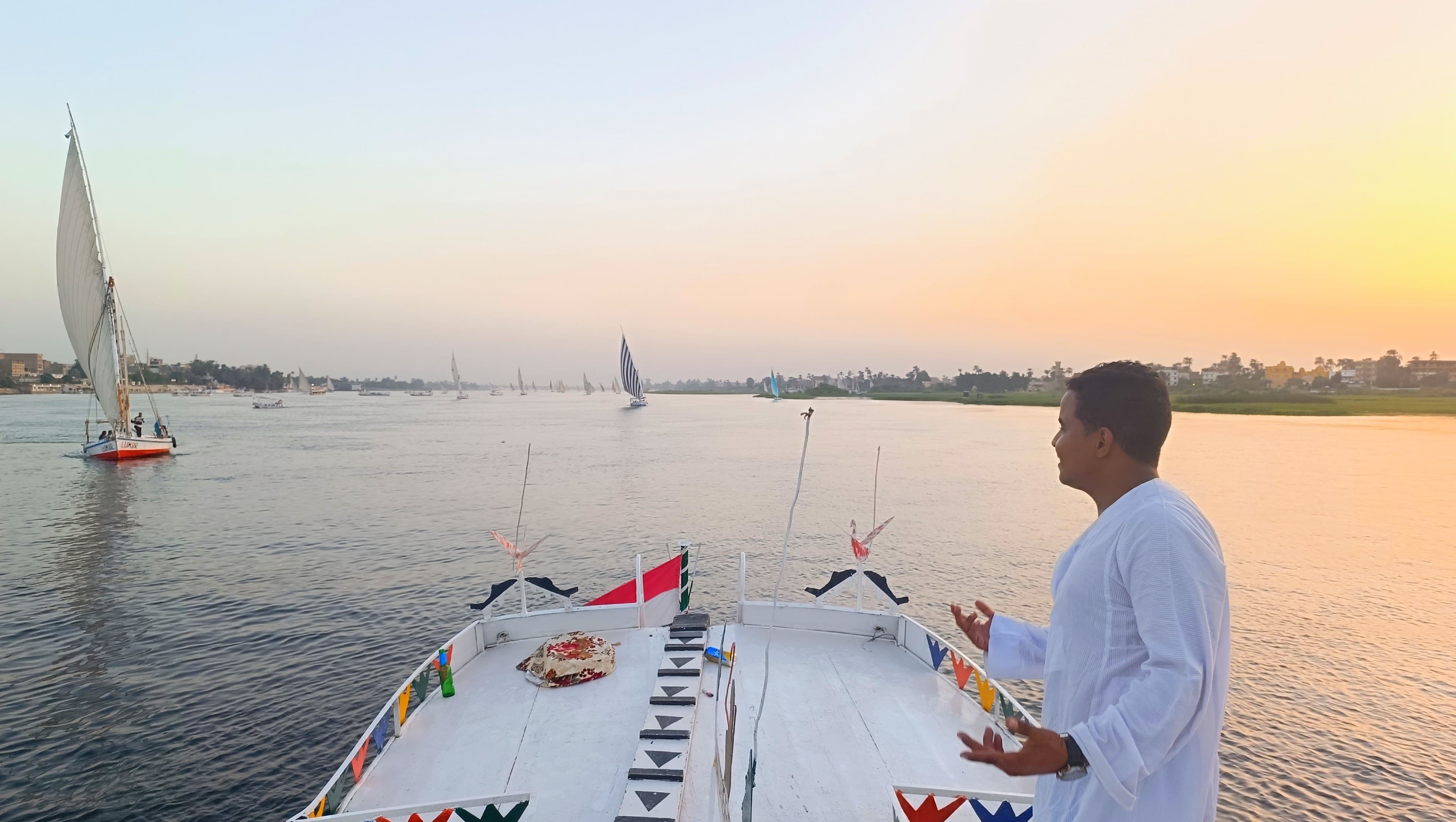
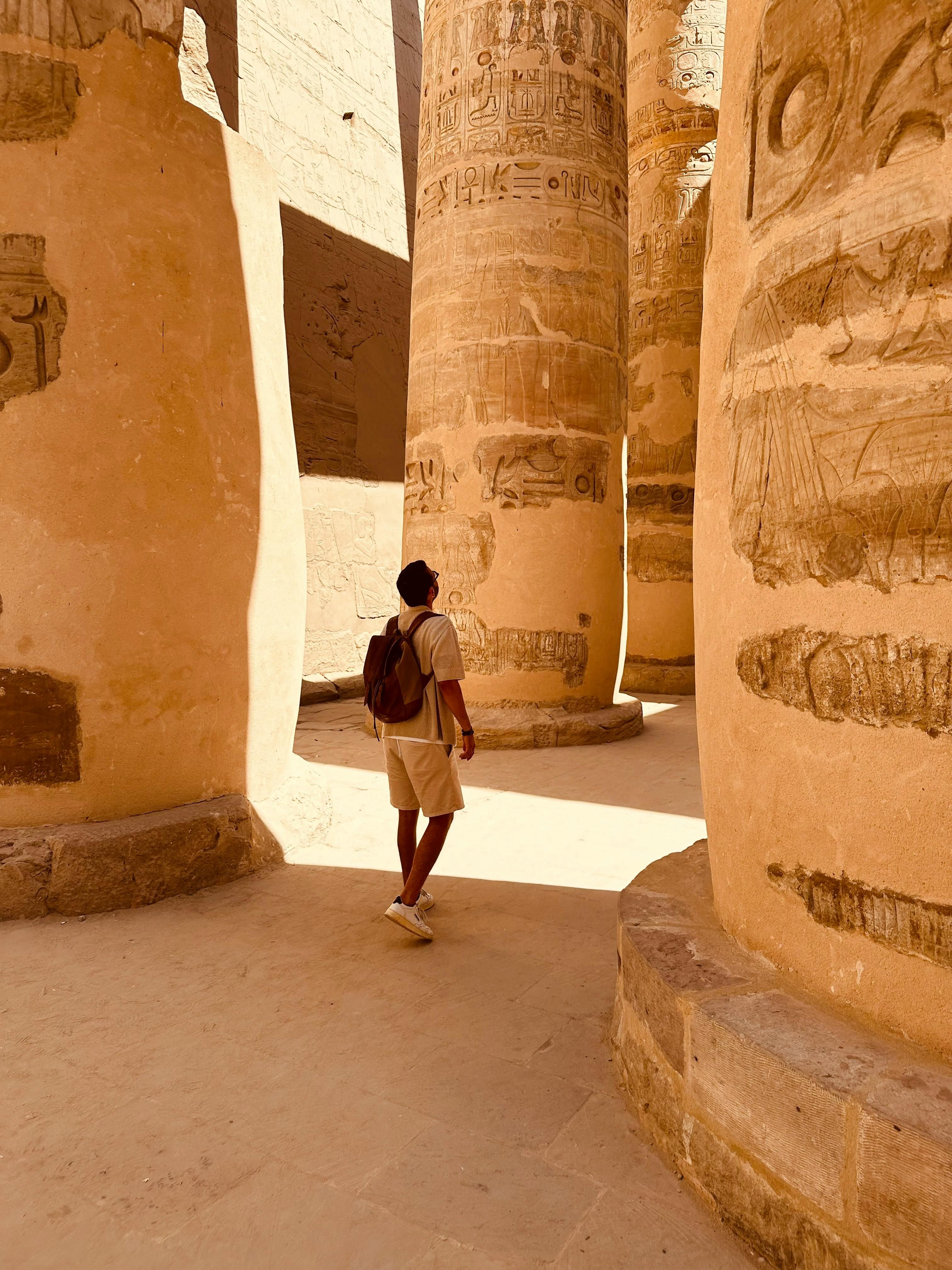
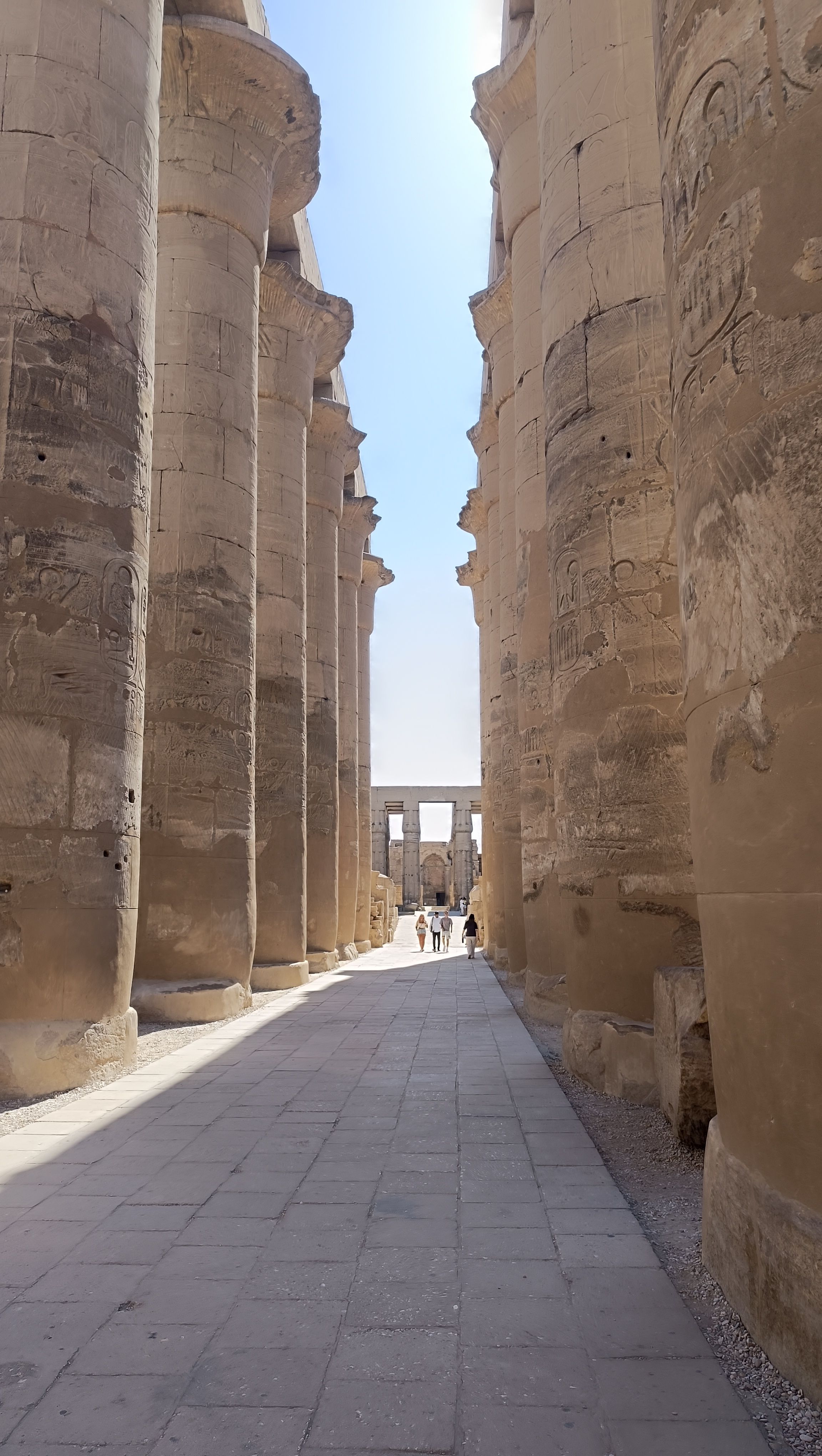
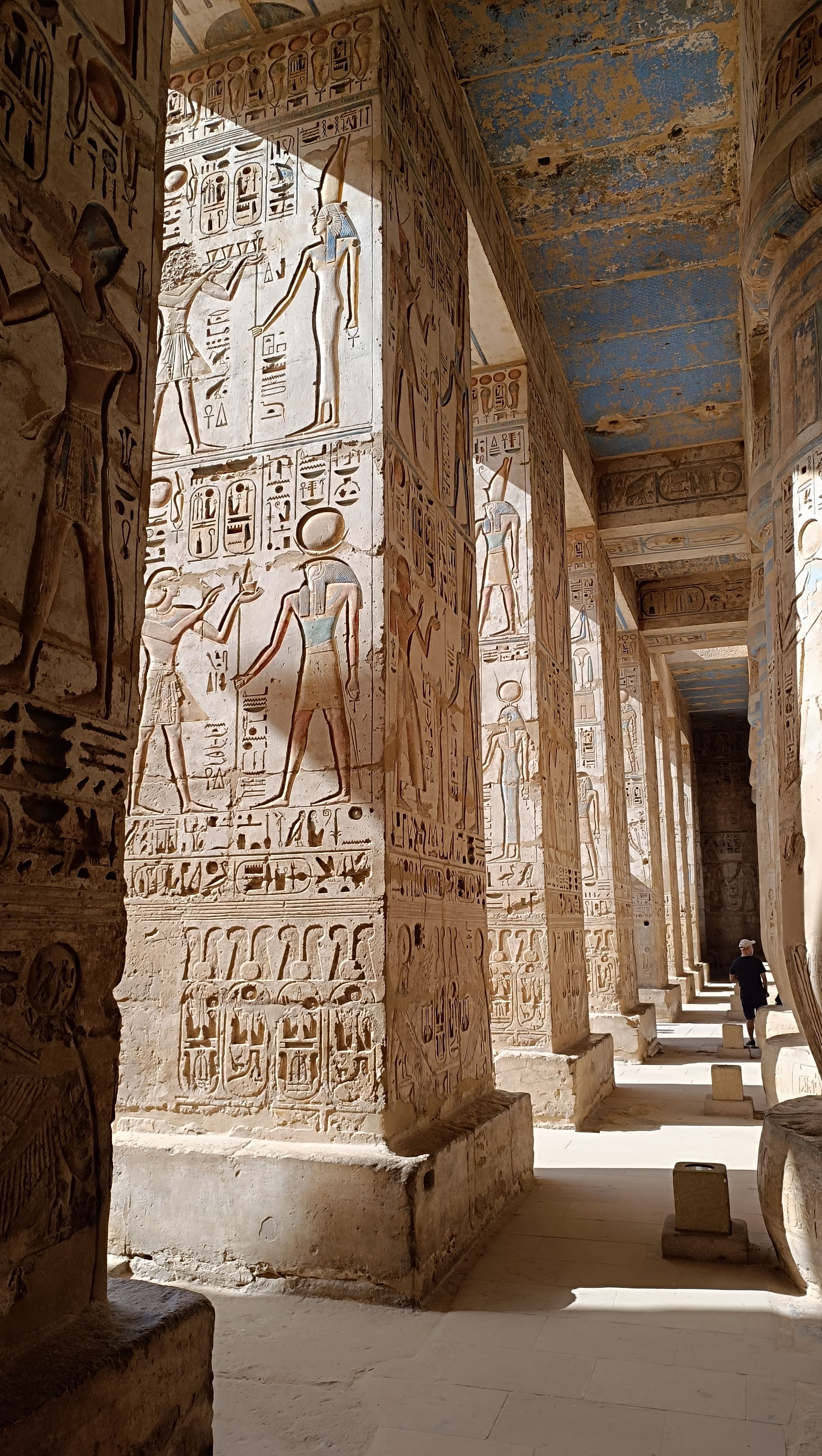
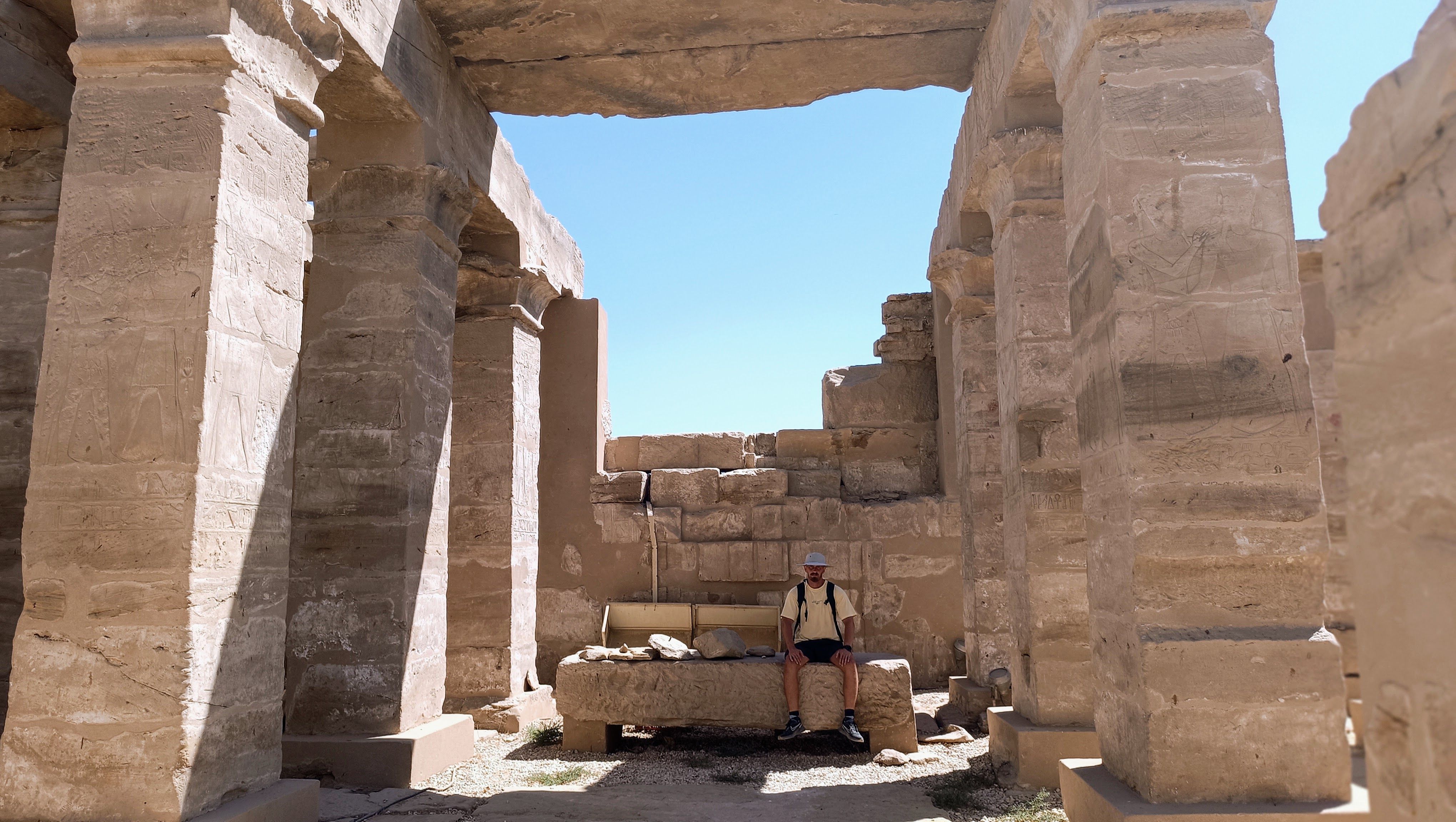
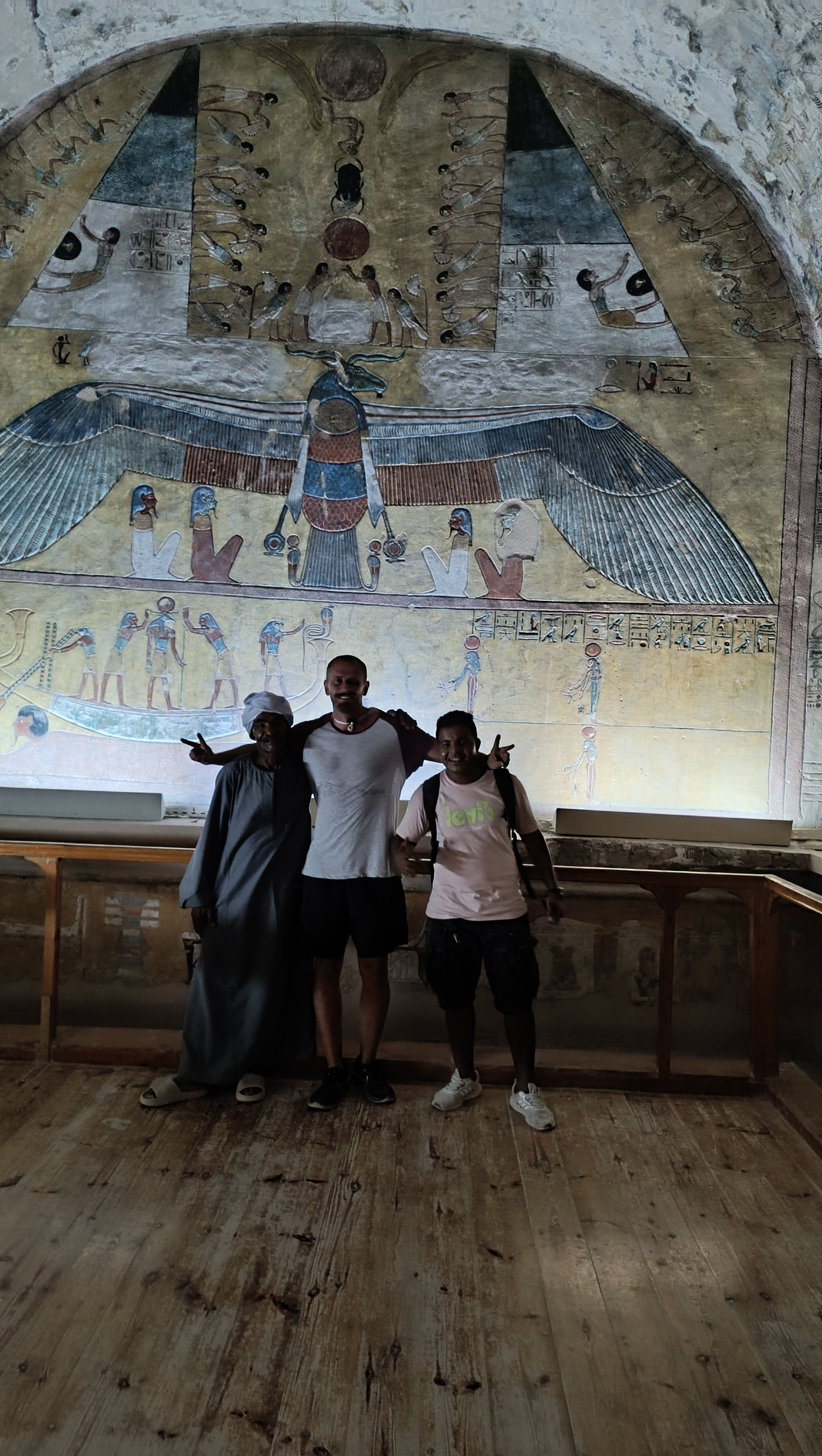
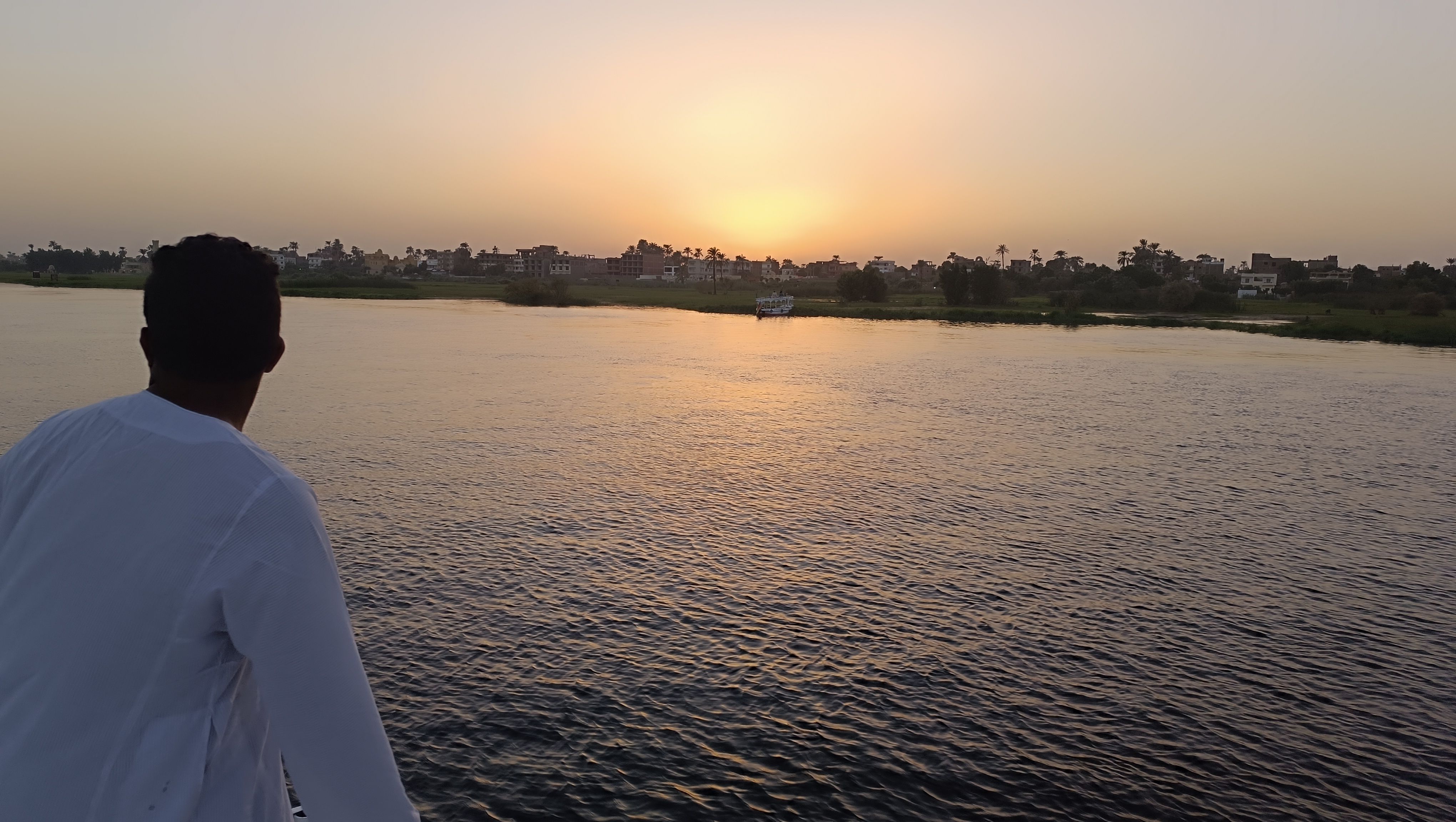
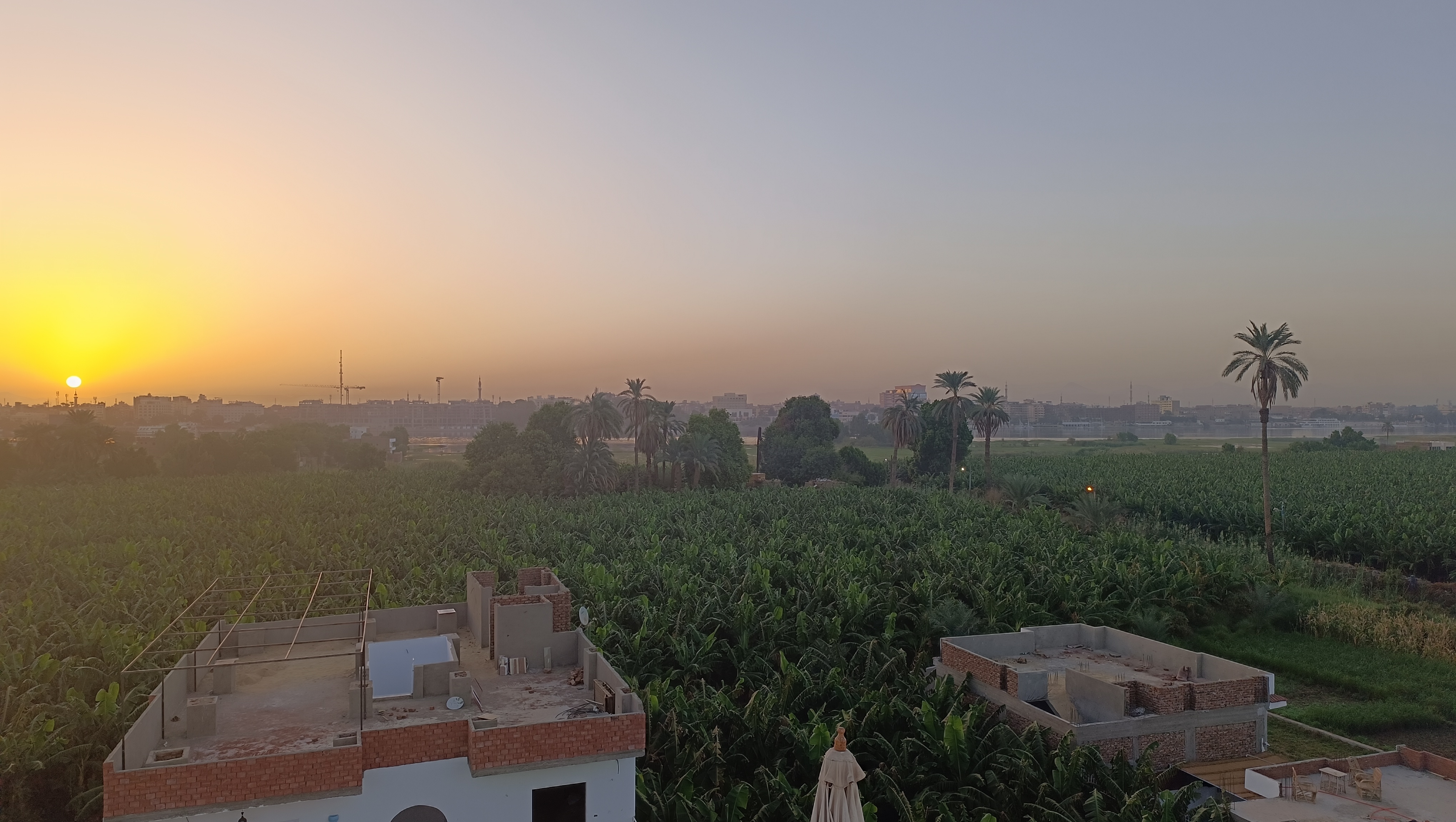
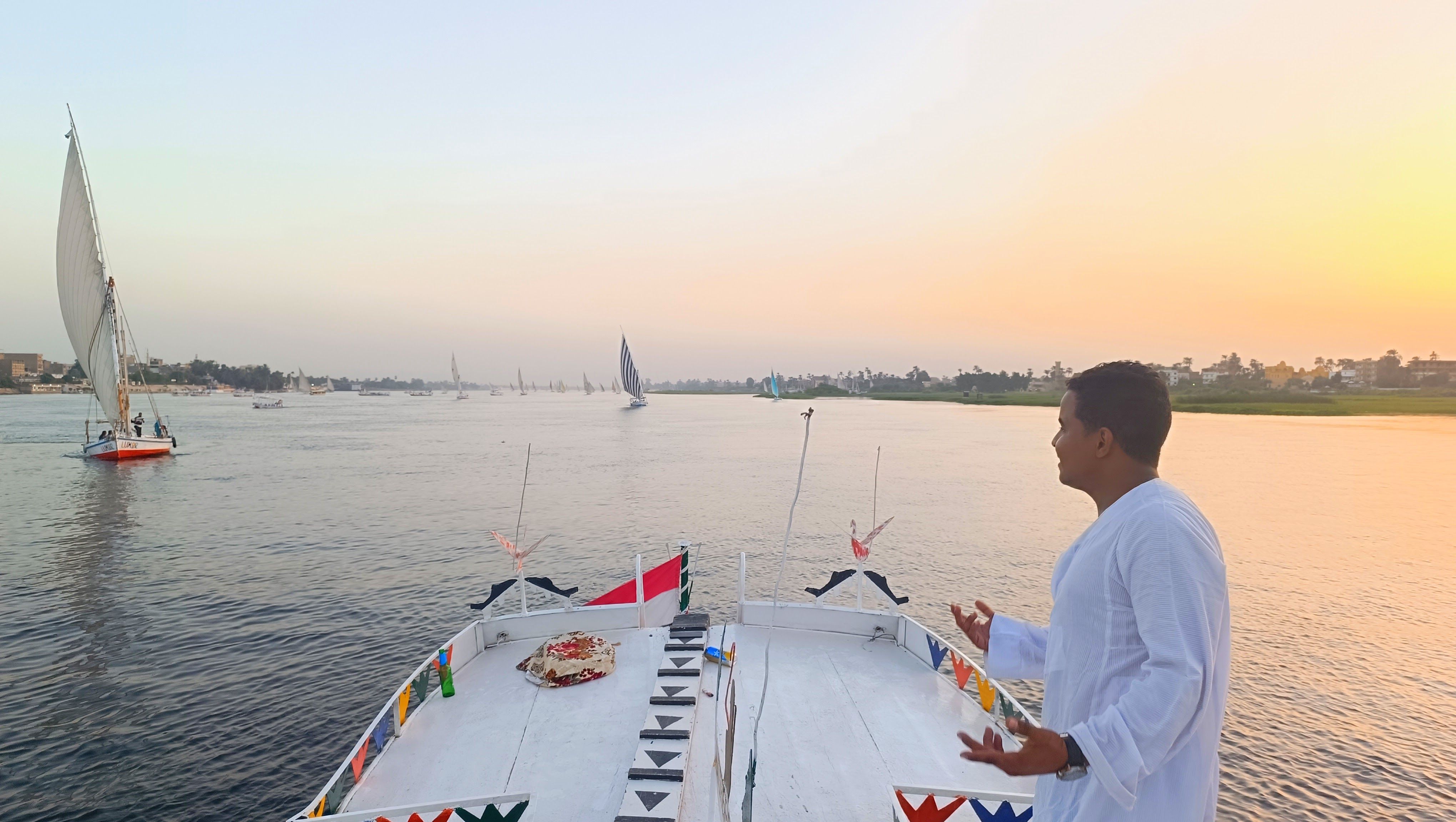
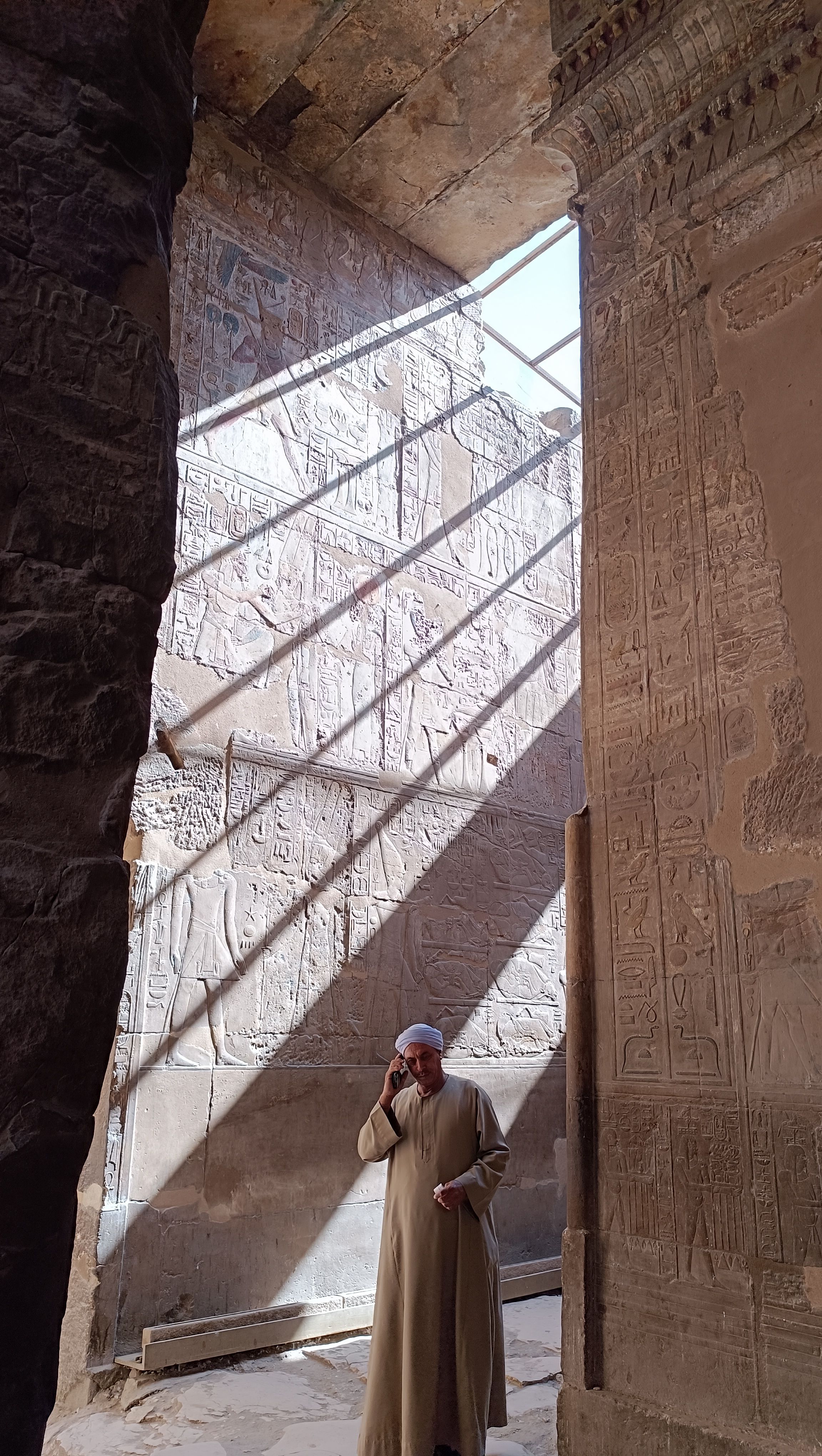
Two days into Luxor, you will have spent a great deal of time with the dead. Royal tombs, memorial temples, gods of the underworld, three thousand years of monuments built to outlast eternity. It's magnificent — and it's a lot. And then someone points a felucca upriver, the sail fills, and half an hour later you step onto a small green island covered in banana groves and mango trees, and Egypt quietly reminds you that this river was always, first and last, about life.
Banana Island is not a monument, and that is exactly the point.
The slowest, greenest half-day in Luxor
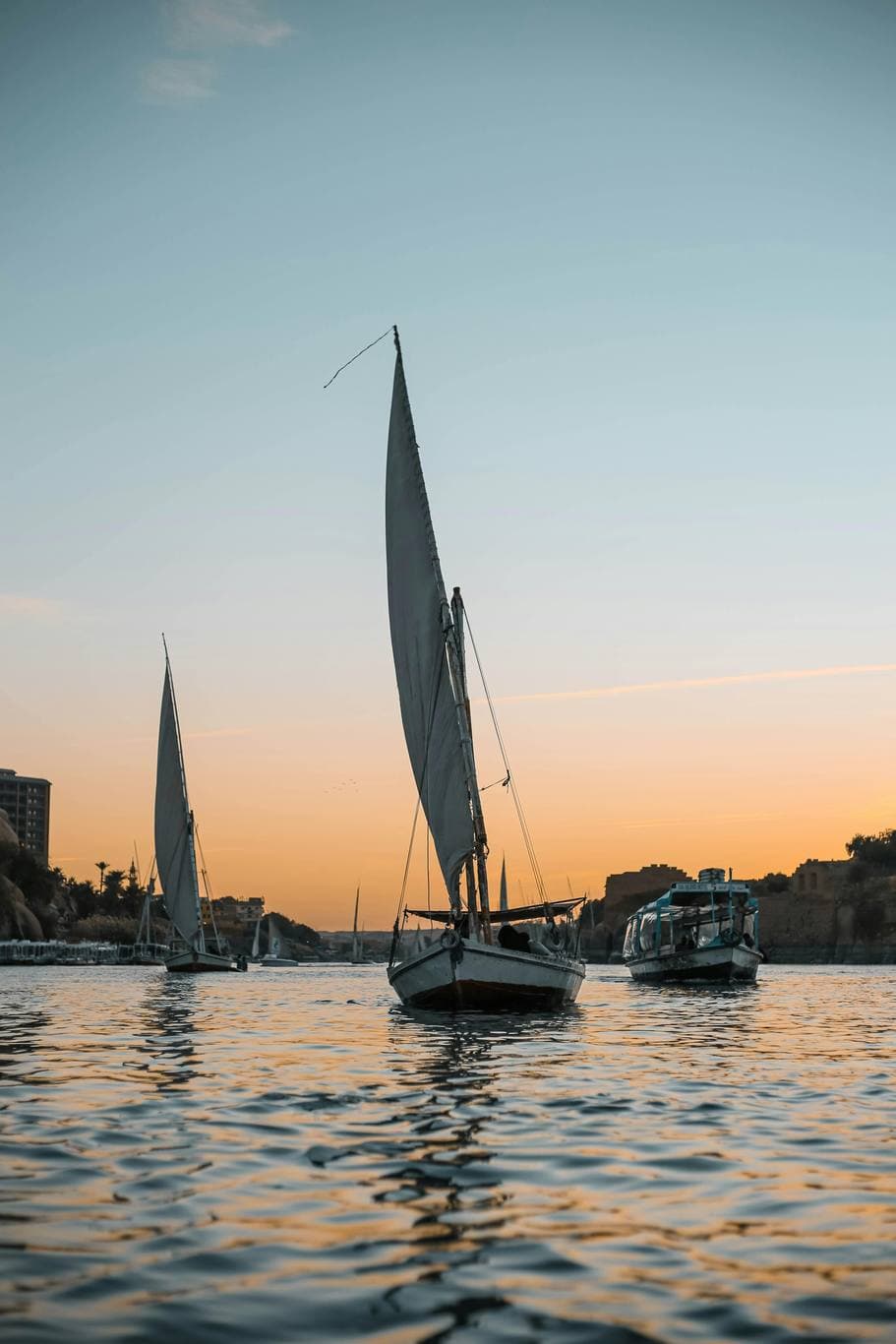
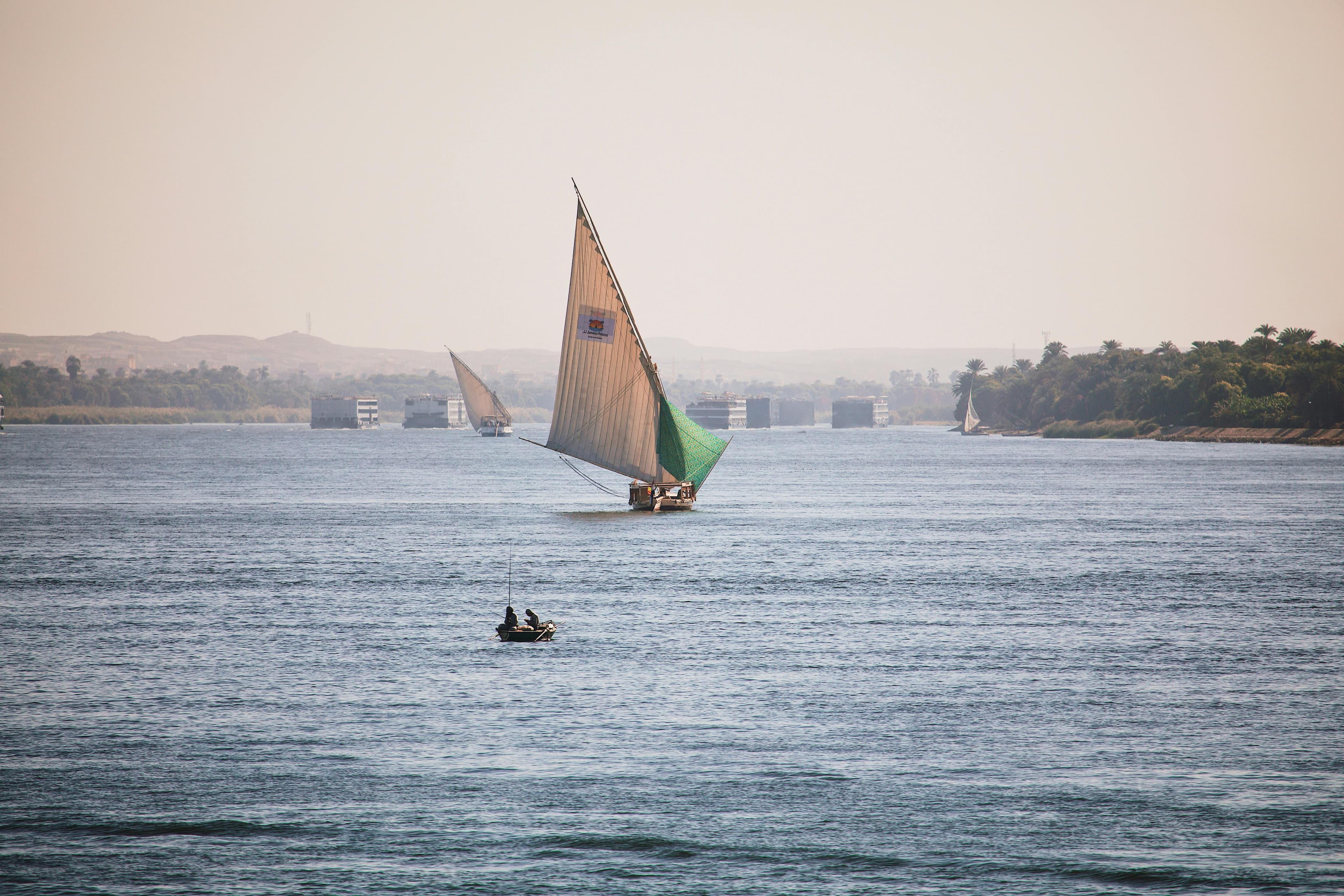
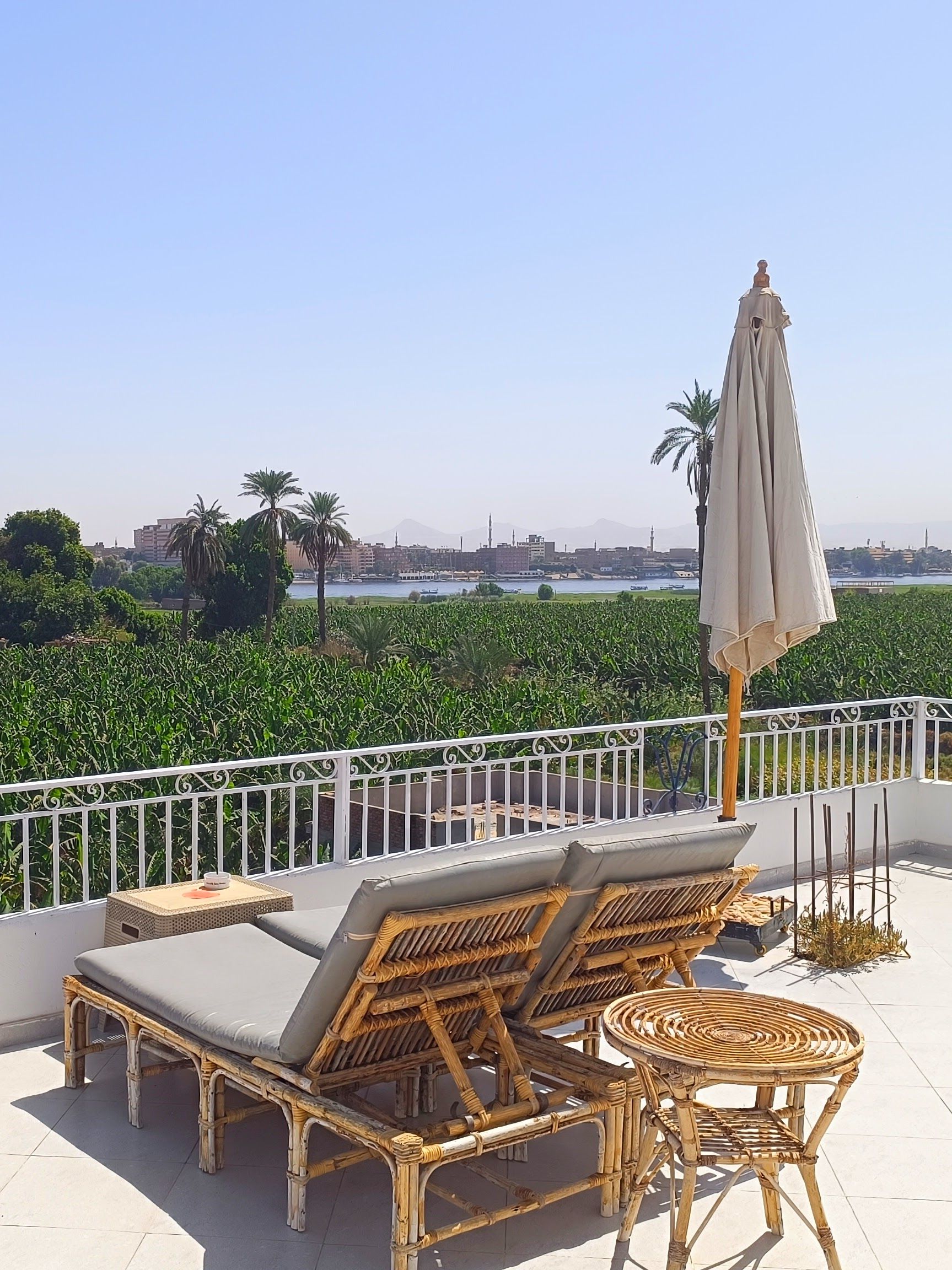
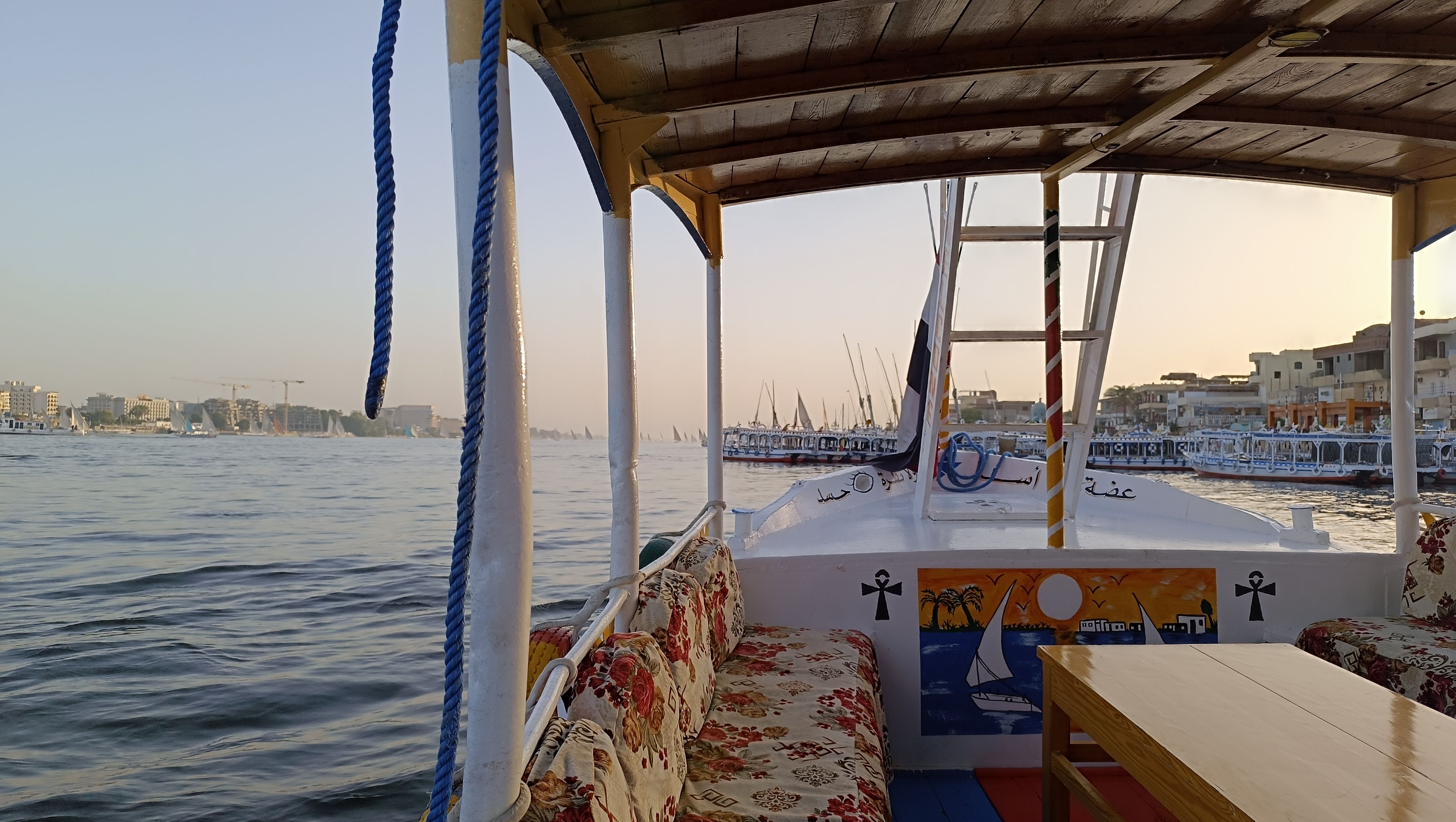
It's a simple pleasure, done properly. The felucca carries you up the calm stretch of the Nile — no engine, no hurry, the West Bank hills that hold the tombs sliding past on your right. You land on the island and wander the shaded groves, fruit overhead, the river on every side. You slip off the boat for a swim in the cool green water, in one of the very few spots most visitors ever actually swim in the Nile. And then lunch, set for your group in the shade, with absolutely nowhere else to be.
After the temples ask so much of you, the island asks nothing at all — and that turns out to be its own kind of wonder.
The other half of the trip
Every good trip to Luxor needs one afternoon like this — a soft counterweight to all the grandeur, a few hours where the only history that matters is the mango you're eating. Bring it as the gentle half of a temple day, or as the whole lazy afternoon you didn't know you needed.
We handle the boat, the boatman, the pickup and the lunch. You bring a towel, a book, and the willingness to do genuinely nothing for a few hours on the oldest river in the world.